SEQP and JT-Modes; Rules Update
161 Warren Street, Newark, NJ. 07102
(These posts originally appeared in the SkimmerTalk reflector, but have been edited and updated with current information and links. Last updated by N6TV 2017-07-31 23:26 UTC).
From: Bob Wilson, N6TV <[email protected]>
Date: Sun, Jul 23, 2017 at 11:48 PM
Subject: New info. about running Skimmer using the latest 0.97 Red Pitaya OS
To: SkimmerTalk Reflector <[email protected]>
From: Bob Wilson, N6TV <[email protected]>
Date: Fri, Jun 30, 2017 at 10:40 PM
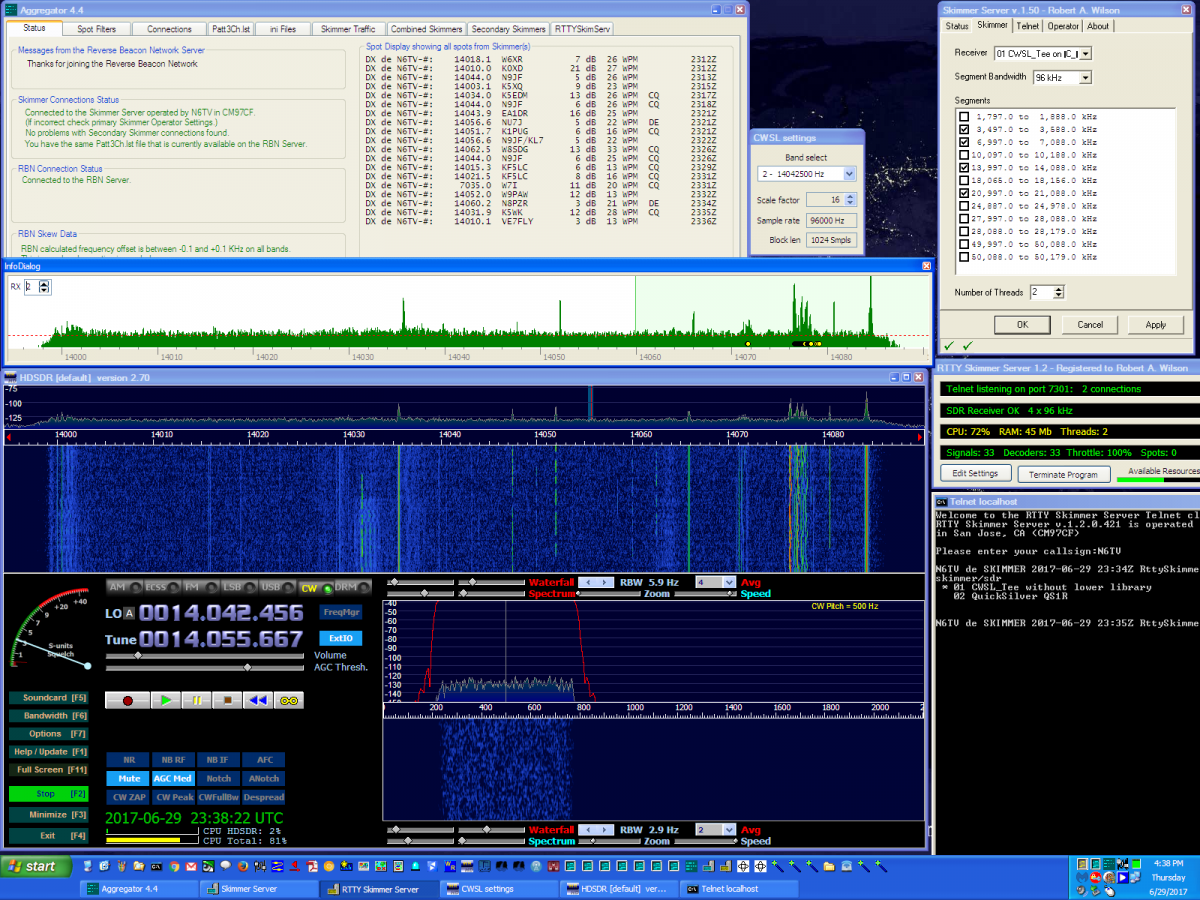
Subject: CW Skimmer + RTTY Skimmer running simultaneously on Red Pitaya - Success!
To: SkimmerTalk Reflector <[email protected]>

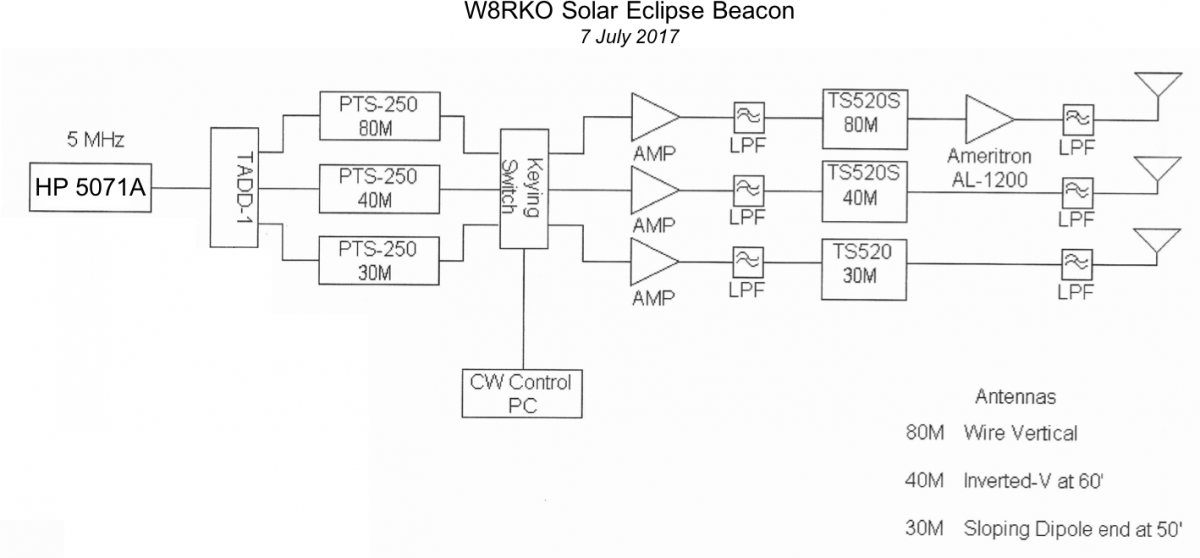
The W8RKO station located in Dayton, OH will transmit three frequencies simultaneously during the beacon period, generated as described below.
An HP 5071A Primary Frequency Standard with "high performance" option provides the reference frequency from which all the signals are derived. This signal has an absolute accuracy of better than 1 part in 1e13 and short-term noise of less than 5 parts in 1e12.
A TAPR TADD-1 RF distribution amplifier routes the reference frequency to three PTS-250/SX51 low-noise synthesizers, each generating one of the 80M, 40M, or 30M operating frequencies with 0.1 Hz resolution. The PTS synthesizers are analog designs that introduce no frequency truncation and have very low phase noise.
The synthesizer outputs go into a PC-controlled switch matrix designed and built by W8RKO that provides keying and CW ID.
Following the keyer, the signals are amplified and filtered, then fed into power amplifiers that consist of the driver and final stages of some old Kenwood TS-520S transceivers. These typically provide about 50W output, and a KW-level amp is available for one band. The antennas are wires supported from a tower.
![]()
By Bob Bruninga, WB4APR
The real time packet communications system APRS will be used during the day of the eclipse as a national communications network for those involved in ham radio and eclipse observations to be able to track each other and see where other nearby ham observers are located. Imagine the APRS map that day showing a clustering of mobile and portable positions all along the totality line. Please use the station symbol SUNNY for this event so these stations will stand out among all others on the national tracking page http://aprs.fi.
In addition to this position reporting, APRS also supports real-time messaging. Not only will this be used by individuals for station-to-station texting, there will also be an announcement server that will give everyone national connectivity for announcements. To use it, all one has to do is send an APRS message to ANSRVR and beginning the message with CQ ECLIPSE… Such a message will be sent to every station in the country that has also sent a similar message.
Bob Bruninga, [email protected]
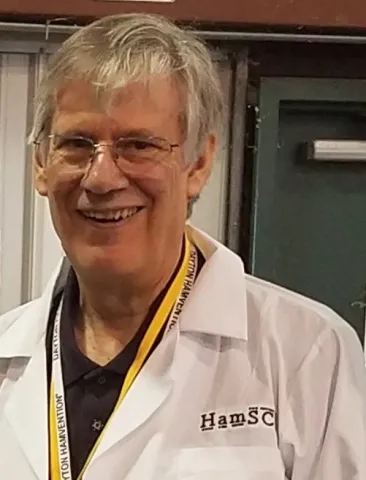
The 2017 Great American Eclipse and the HamSCI Solar Eclipse QSO Party on August 21, 2017 are now just weeks away! This is a great oportunity to both enjoy ham radio and help scientists better understand how the ionosphere works. Are you ready? HamSCI member Ward Silver, N0AX is! He is shown here modeling his new SEQP tank-top and mug. We now have a variety of HamSCI and SEQP T-Shirts and mugs availble through the HamSCI RedBubble store.
These products are made available as a courtesy to the HamSCI community. HamSCI and its members/leadership receive no income from the sale of this merchandise.
By Ward Silver, N0AX
If you are not a ham radio licensee - how can you participate in monitoring the eclipse? Perhaps you are looking for a demonstration of the impact the eclipse will have on radio signals. Maybe you are looking for an experiment that a group can perform without specialized equipment. Regardless of your background, this article from the July issue of Nuts and Volts magazine explains the eclipse's effect on radio propagation without too much technical detail. You can use an AM radio or World Band radio in several ways that are sure to demonstrate what happens when the Sun's ray are blocked from the Earth's atmosphere. You can log the observed effect on signals or you can just listen while you're watching the eclipse unfold. The article shows you easy ways to experience the eclipse in a whole new way and it may pique your interest in getting involved with radio science as a career or a hobby.
Link to Nuts & Volts article: http://www.nutsvolts.com/magazine/article/the-solar-eclipse-and-ham-radio
Please prioritize recording of frequencies that correspond with Solar Eclipse QSO Party (SEQP) operation, especially the lower frequencies, as these should see the largest eclipse effect. This consists of the standard HF contest bands (see table below). In addition, we welcome observations from as much of the LF, MF, and HF spectrum as possible. The capabilities of different HF receivers vary widely, and some modern HF SDRs are capable of multiple slice receivers. Note that it is possible to simultaneously make wideband recordings and act as a RBN skimmer node. See N6TV's How-To Guide for Running a Combined CW-RTTY Red Pitaya Skimmer for instructions on how send SDR data streams to multiple programs simultaneously.
| Band | Frequency |
|---|---|
| 160 m | 1.800 - 2.000 MHz |
| 80 m | 3.500 - 4.000 MHz |
| 40 m | 7.000 - 7.300 MHz |
| 20 m | 14.000 - 14.350 MHz |
| 15 m | 21.000 - 21.450 MHz |
| 10 m | 28.000 - 29.700 MHz |
You may use any radio and software that is capable of generating IQ recordings of HF spectrum that can be properly time-stamped and frequency-stamped. We recommend using MIT Haystack's Digital RF software for this purpose, as it is will record observations to the proper IQ format and provide the required time- and frequency- stamping.
A number of SDR radio and software combinations allow real-time wideband recording of the HF spectrum. The spectrum width that can be recorded is usually a bit less than the radio sample rate. For example, a 384k sample-per-second receiver can record around 375 kHz of bandwidth, which is enough to include the entire 40, 30, or 20M band. A number of SDR receivers, including RTL-SDR "dongles", Red Pitaya, and "HPSDR" compatible radios such as the Anan 10/100/200 series and the original Hermes board, are capable of this.
An Open Source Software script using GNU Radio under Linux will shortly be available through TAPR that allows receiving and recording four bands simultaneously with HPSDR or six with the Red Pitaya hardware. (Note that multiple receivers will require a fairly fast PC such as an i7 with solid-state disk; using fewer receivers reduces the computer resources needed. Check https://github.com/TAPR for updates.
We encourage you to make the most careful measurements possible. If you are capable of stabilizing your receiver with a high-stability frequency reference or provide amplitude calibration characteristics for your system, please do so. You may describe your methodology in the Zenodo Data Description box and upload supporting documents if necessary (such as block or antenna pattern diagrams).
Please submit the following items:
Use the <Callsign>_wideband_<start_freq>_<stop_freq>kHz_<YYYYMMDD>_<HHMM>UT.<ext> filename convention for uploaded where HHMM is the UT start time of that particular file. Examples:
In the data description box, please include:
In the Notes box, you may include your personal comments regarding your observations.
Zenodo accepts up to 50 GB per data set. If necessary, please upload each band recording as a separate dataset. If this method is not feasible, please contact [email protected] and we will find another way to transfer the data.
Please license your data as:
Thank your for your time and effort in participating in this experiement!
Page Contributors: W2NAF, N8UR
Last Edited: 15 August 2017
Contributing author Joe Rao of Sky & Telescope Magazine is asking readers to submit reception reports of AM broadcast stations heard during the upcoming August 21, 2017 Total Solar Eclipse. The shadow of the moon is expected to cause a depletion in the D region of the ionosphere, thereby reducing ionospheric absorption in the AM broadcast band (540 - 1700 kHz) and allowing for long-distance skywave propagation. This same mechanism allows for long-distance propagation of AM broadcast stations at night. This is an excellent eclipse radio experiment for people who do not have ham radio licenses or access to specialized equipment. For more information, please see Joe's Sky & Telescope article.
For more on Joe Rao:
Figure: Map of clear channel AM broadcast stations in or near the August 21, 2017 eclipse totality. Eclipse map by Xavier Jubier.
WWV in Fort Collins, CO
|
|
CHU in Ottawa, Ontario, Canada
|
|
For each observation period, please submit the following items:
Use the <Callsign>_<freq>kHz_<YYYYMMDD>_<HHMM>UT.<ext> filename convention for uploaded where HHMM is the UT start time of that particular file. Examples:
In the data description box, please include:
In the Notes box, you may include your personal comments regarding your observations.
Please license your data as:
Page Contributors: WA9VNJ, N8UR, W8RKO, W2NAF, KD2JAO, KM4EGE
Last edit: 10 August 2017


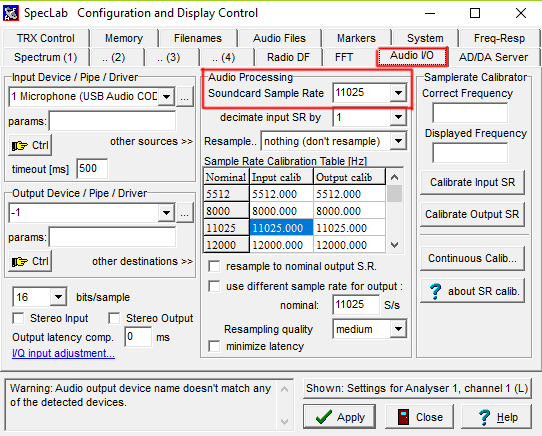
Figure 2: Spectrum Lab Audio I/O settings.

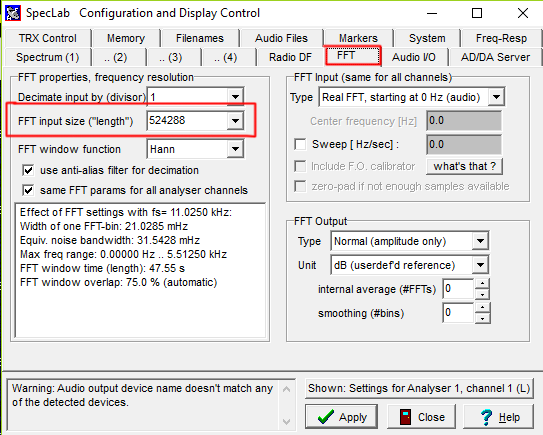
Figure 3: Spectrum Lab FFT settings.

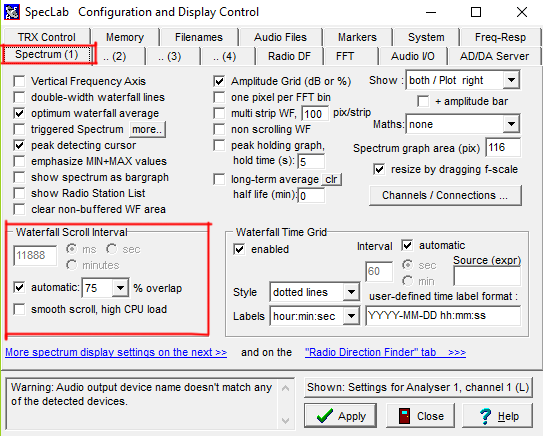
Figure 4: Spectrum Lab spectrum settings.

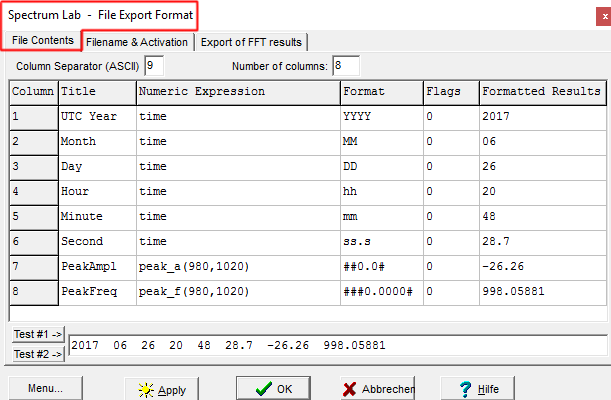
Figure 5: FFT file contents settings.

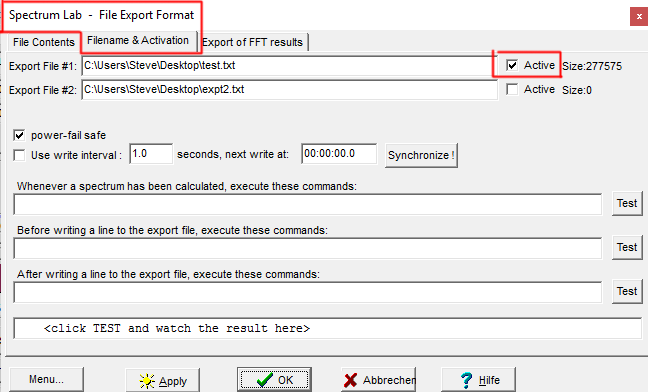
Figure 6: FFT filename settings.

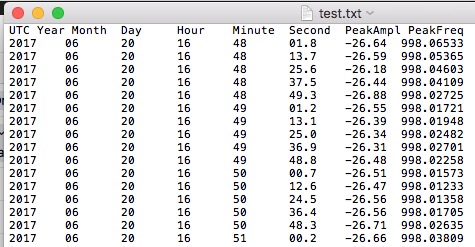
Figure 7: Example FFT file.

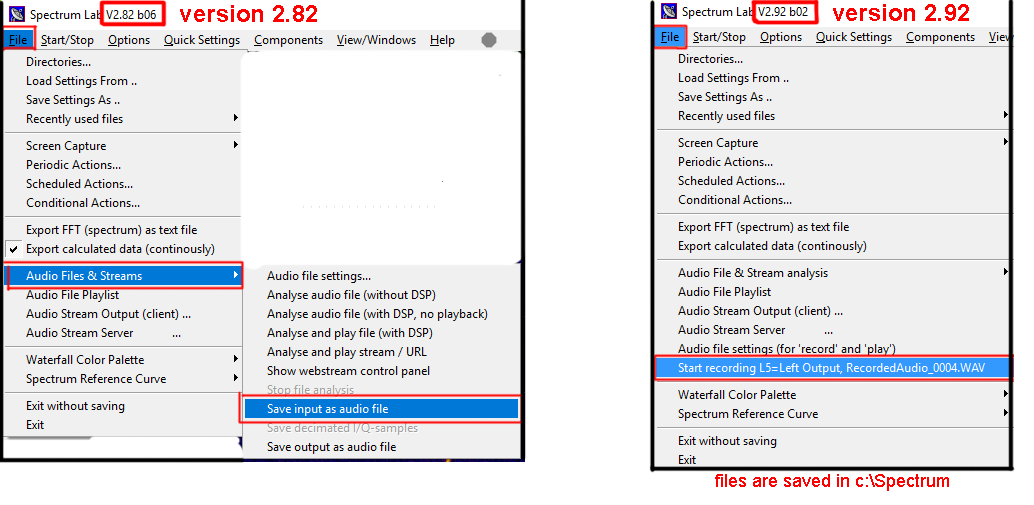
Figure 8: Enabling streaming/saving to a WAV file.
Editor's note: This toolkit can be used to record SDR data to a standard format for scientific use.
MIT Haystack Observatory is pleased to announce the formal open source release of Digital RF version 2.5 under a BSD license. The software implements a data recording format for scientific radio frequency (RF) instrumentation using the HDF5 scientific data format. The implementation is designed for the management of highly time-dependent data from a large number of radio sensors. Applications include radio science (e.g., radio astronomy, geospace radar) and any project requiring the capture and use of RF data as raw digital samples.
Key Digital RF features include:
This work was supported by the National Science Foundation under the Geospace Facilities and MRI programs, and by National Instruments/Ettus Corporation through the donation of software radio hardware. We are grateful for the support that made this development possible.
Digital RF is available on GitHub:
https://github.com/MITHaystack/digital_rf
We hope you find the software useful and can contribute to its future development. For discussions related to Digital RF, please use our mailing lists ([email protected] and [email protected]).
Regards,
Frank Lind, Bill Rideout, Juha Vierinen, Ryan Volz, John Swoboda, and Phil Erickson
(via Nancy Kotary)
-----
MIT Haystack Observatory
Westford, Massachusetts 01886 USA
[email protected]
By G. W. Perry, N. A. Frissell, E. S. Miller, and J. D. Katz
The Enhanced Polar Outflow Probe (e-POP) onboard the Canadian CAScade Smallsat and Ionospheric Polar Explorer (CASSIOPE) satellite will once again be supporting ham radio citizen science by participating in the 2017 American Radio Relay League Field Day, on June 24 and 25, 2017.
On an annual basis, the ham radio community participates in the ARRL Field Day to exercise and hone their skills in the field. In essence, it is an emergency preparedness exercise – one of the largest anywhere – with several thousand hams taking part across the world. From a radio science perspective, Field Day is an ideal time for e-POP to study the structure of the Earth’s ionosphere using Field Day participants’ transmissions.
Launched in September 2013, e-POP is one of two payloads on the CASSIOPE spacecraft; the other is a commercial high-capacity data courier technology demonstration. e-POP is a suite of eight science instruments with an objective of studying the ionosphere and space weather effects. The spacecraft’s mission and science operations are headquartered at the University of Calgary, and its operations are funded by the European Space Agency (ESA). More information about e-POP can be found at https://epop.phys.ucalgary.ca. One of e-POP’s instruments is the Radio Receiver Instrument (RRI), a digital receiver with four 3 m monopole antennas, with a scientific objective of studying natural and artificial radio emissions from 10 Hz to 18 MHz. RRI’s monopoles can be electronically configured into a crossed-dipole setup. RRI has two data channels – one for each dipole. Each channel is sampled at 62.5 kHz, and passed through a 30 kHz bandpass.
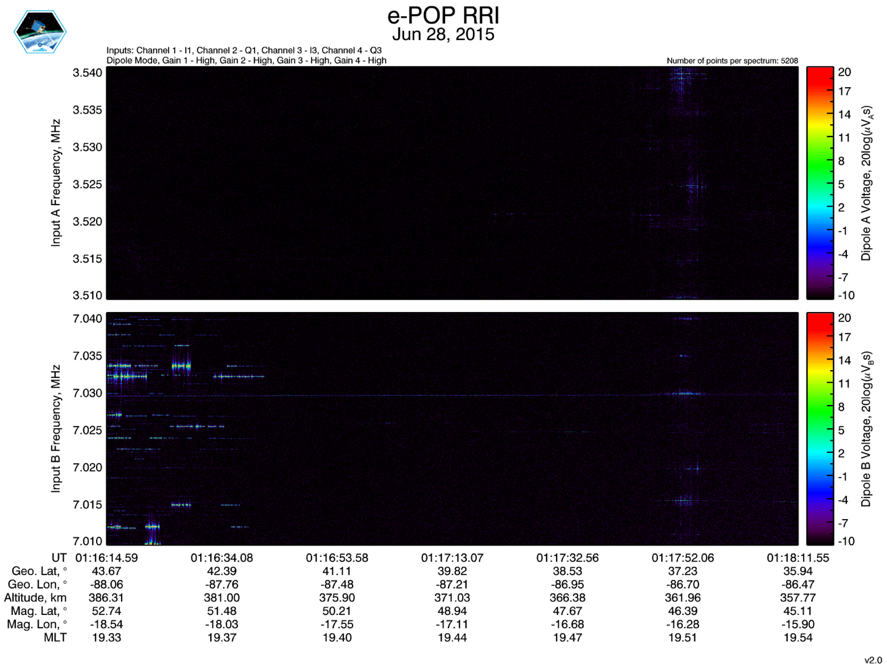
During the 2015 ARRL Field Day on June 28, 2015, RRI was activated for two minutes, starting at 1:16 UT, while e-POP was just north of Milwaukee, on a southeasterly heading. RRI was in a crossed-dipole configuration: its two channels were tuned to 3.525 and 7.525 MHz, respectively. A spectrogram (similar to "waterfall display") of the entire 2-minutes of data is shown in Figure 1 (a presentation summarizing the results is available for download). What is most striking about the observations is that, not only are CW ham radio transmissions clearly seen at 40 m (Channel B), but that they are only observed for about the first 30 seconds, even though data from the Reverse Beacon Network (RBN) show that those ham operators continued transmitting throughout the entirety of the experiment.
A science article is currently being prepared by Dr. Gareth Perry and colleagues in the HamSCI community to report the experiment and the characteristics of the received signals. It is not surprising that signals were not received on the 80 m band (Channel A). Those transmissions should – theoretically – not have been able to penetrate the ionosphere and propagate to RRI during the experiment. On the other hand, transmissions on the 40 m band were able to do just that. These signals can be used to study HF radio wave propagation. The advantage of using the ham community’s transmissions is that since each user’s call sign is coded in their call, the source of the signal can be identified. This allows the point of origin of each signal to be identified, input into a HF ray trace model, and then used to the elucidate the properties of the ionosphere during the experiment. During the 2015 Field Day, 23 call signs were identified. The hypothesis that Dr. Perry and colleagues are investigating is that is that the ham signals disappeared as the spacecraft headed south, into latitudes where the ionosphere was denser and blocked the transmissions.

Figure 1: RRI spectrogram from 2015 Field Day activities. Ham radio CW transmissions were only detected on the 40 m band (Channel B, bottom panel) for the first 30 seconds of the experiment. No signals were detected on the 80 m band (Channel A, top panel).
For the 2017 Field Day, e-POP will be dedicating all of its resources to studying HF radio wave propagation using ham radio transmissions. RRI will be once again tuned to the CW bands at 40 and 80 m; however, the exact tuning frequencies have not yet been determined. RRI is scheduled to be activated 6 times, in 10 minute increments, over the Field Day weekend. Below is a table of approximate RRI operations times over Canada and the United Sates. All 2017 Field Day participants are encouraged to transmit on the 40 and 80 m bands during these times.
The results of the 2015 e-POP ARRL Field Day were serendipitous, even if only 2 minutes of data was collected. The data from the upcoming Field Day is sure to offer even further insight into the intricacies of HF radio wave propagation and increase the applicability of citizen radio science in the “traditional” academic radio science methodologies. We’re looking forward to hearing from you!
|
Pass Number |
Date |
Pass Time (UT) |
e-POP altitude (km) |
Pass Direction |
Region |
|
1 |
June 24 |
22:32 – 22:42 |
800 |
NS |
East Coast |
|
2 |
June 25 |
00:13 – 00:23 |
800 |
NS |
Central |
|
3 |
June 25 |
01:54 – 02:04 |
800 |
NS |
West Coast |
|
4 |
June 25 |
11:35 – 11:45 |
1350 |
SN |
East Coast |
|
5 |
June 25 |
13:17 – 13:27 |
1350 |
SN |
Central |
When using Pavel Demin's six-band receiver for the Red Pitaya, it is is possible to assign each receiver to either the IN1 or IN2 ports. This allows antennas for different bands to be used.
This can be configured by modifying the command line parameters in /sbin/discovery.sh on the Red Pitaya SD card. In the following example, the first three receivers are connected to IN1 and last three receivers are connected to IN2:
/opt/redpitaya/bin/sdr-receiver-hpsdr 1 1 1 2 2 2 &
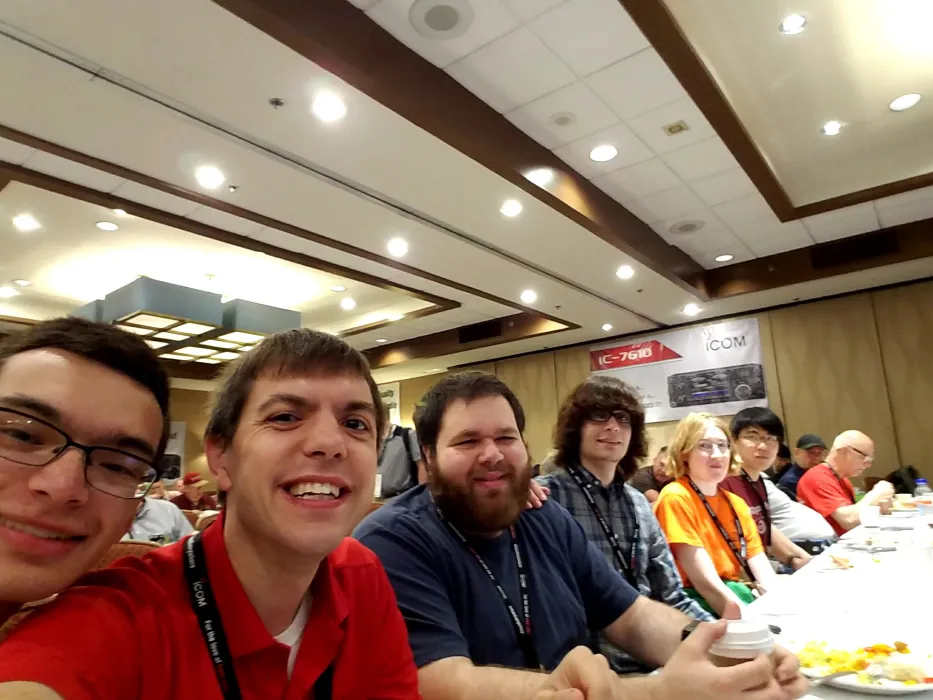
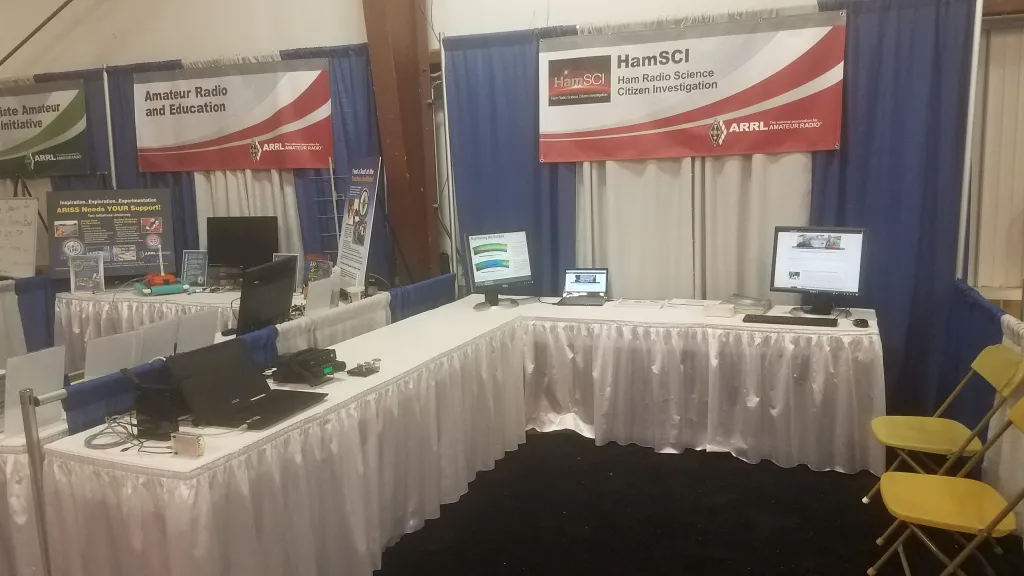
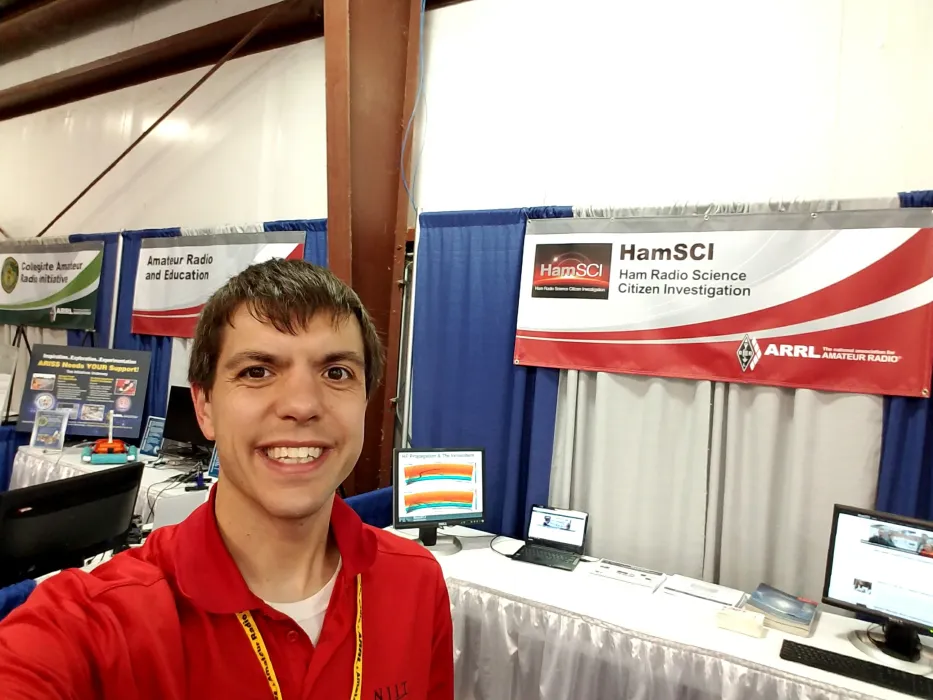
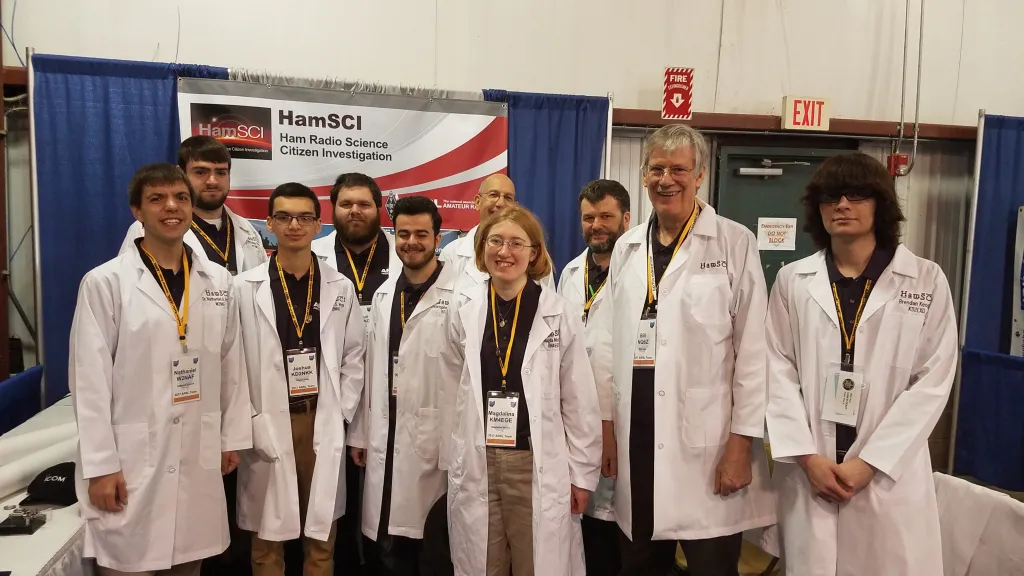
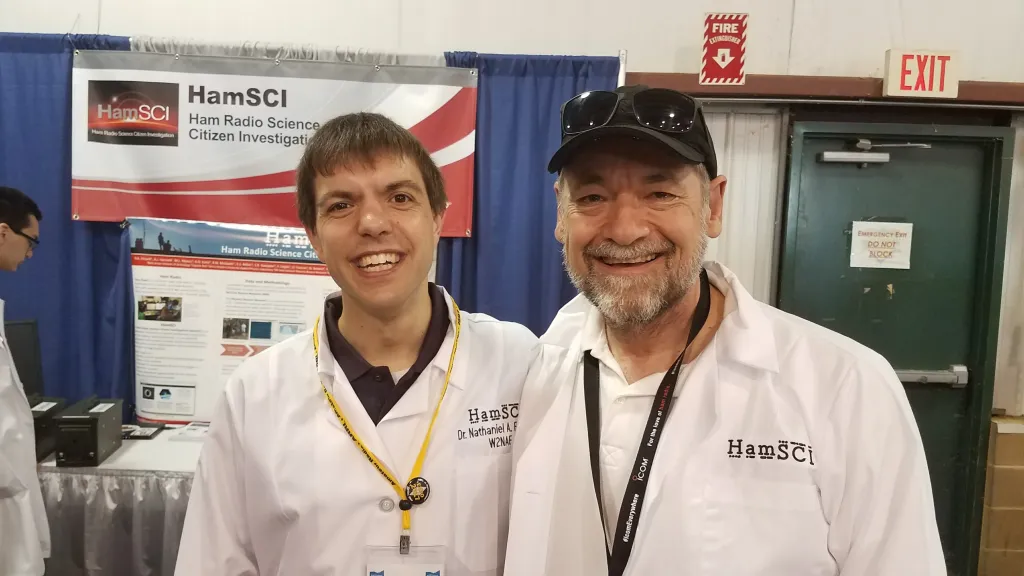
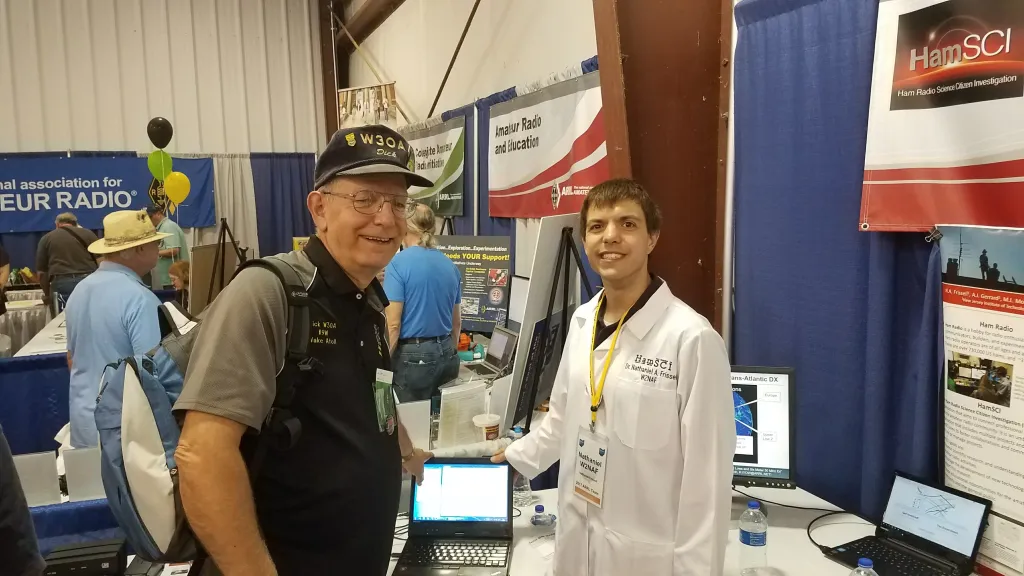
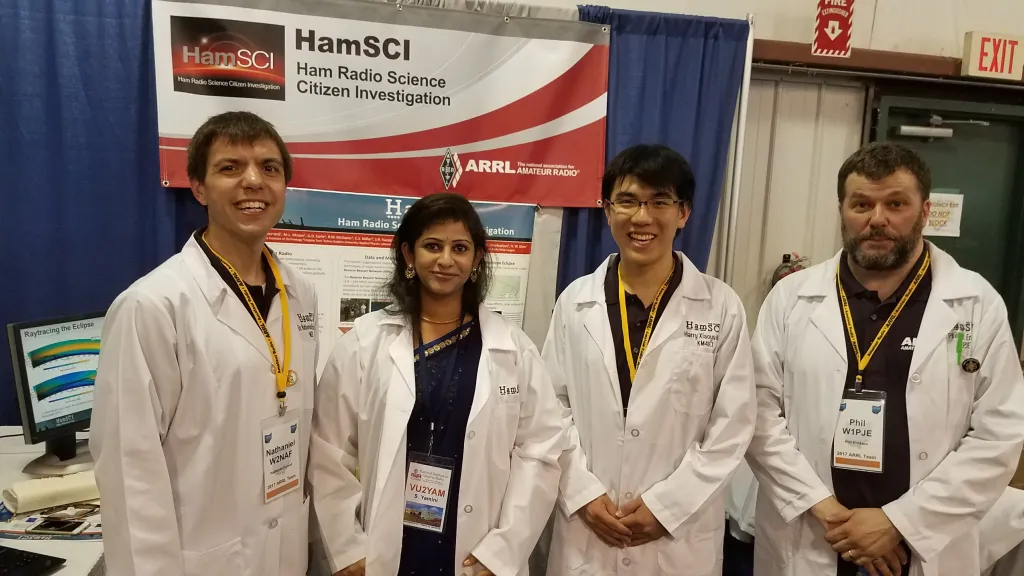
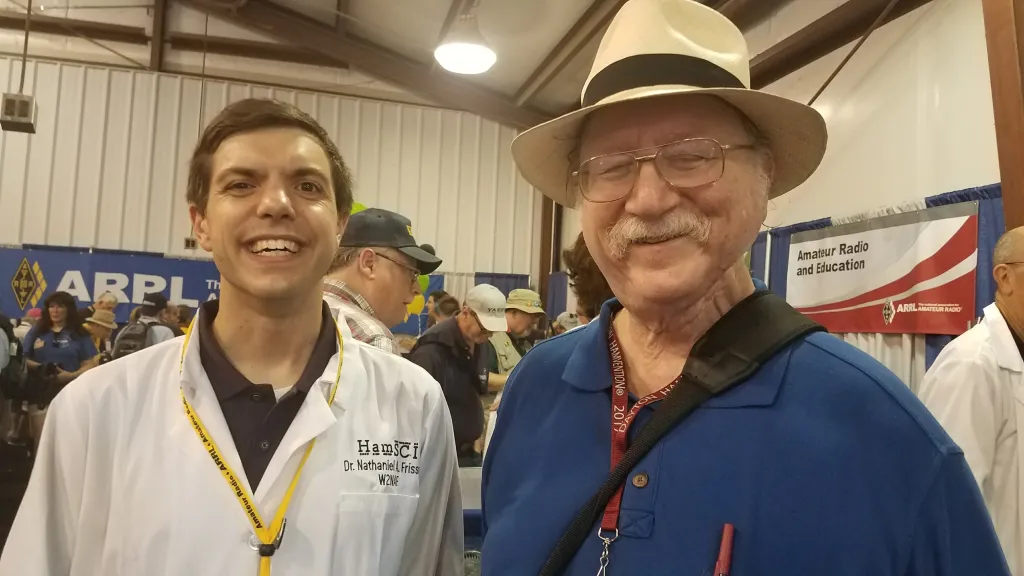
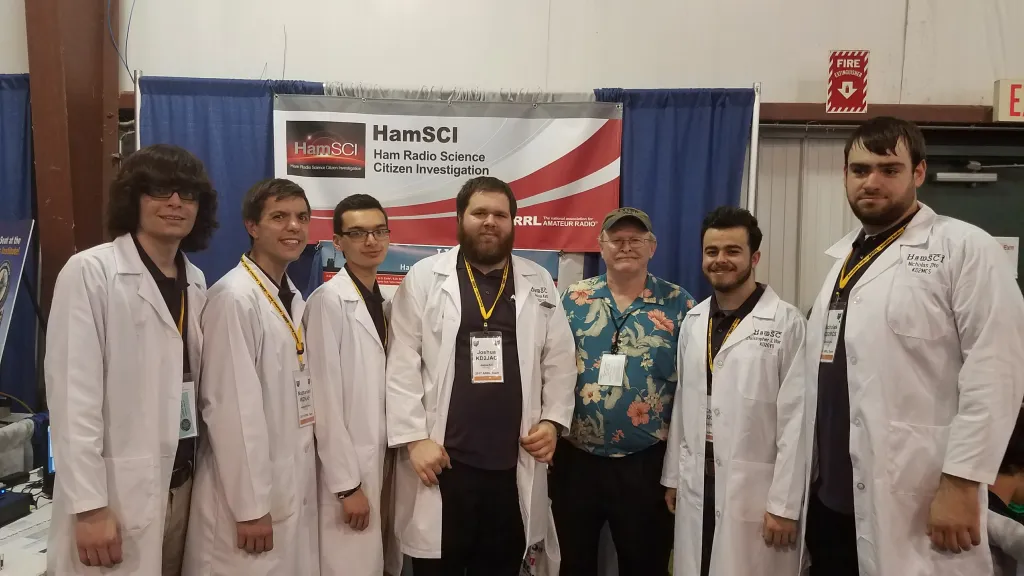
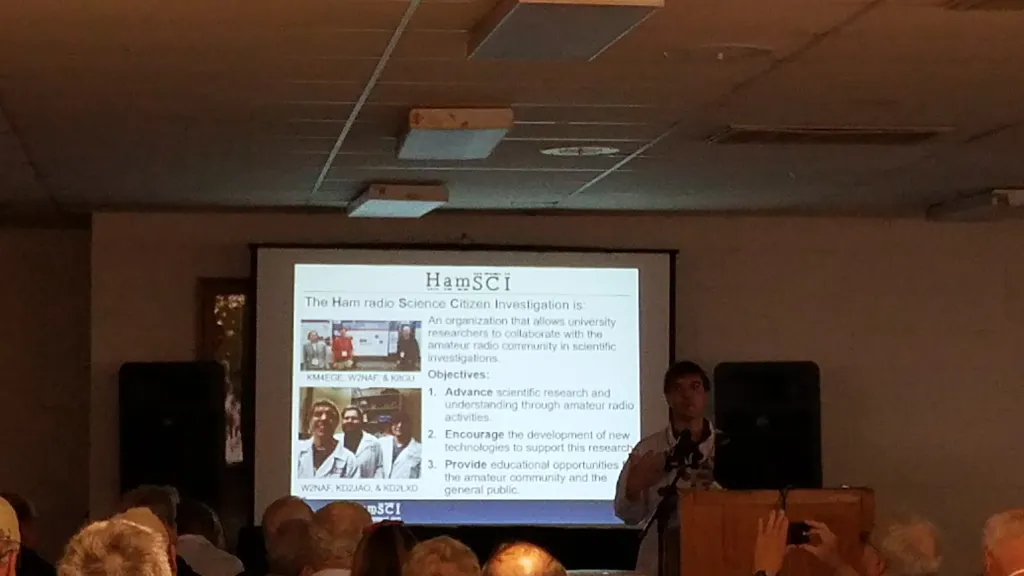
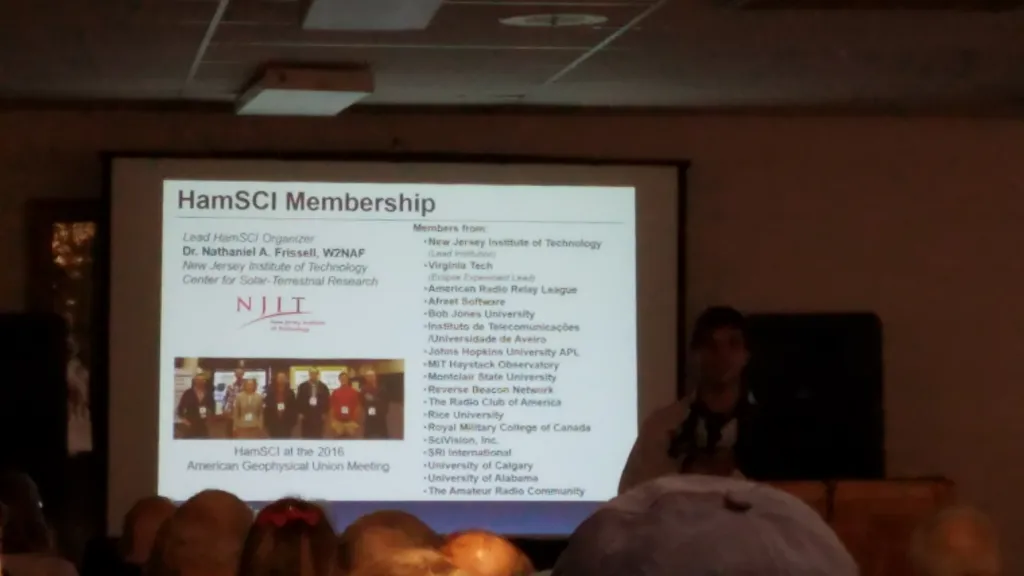
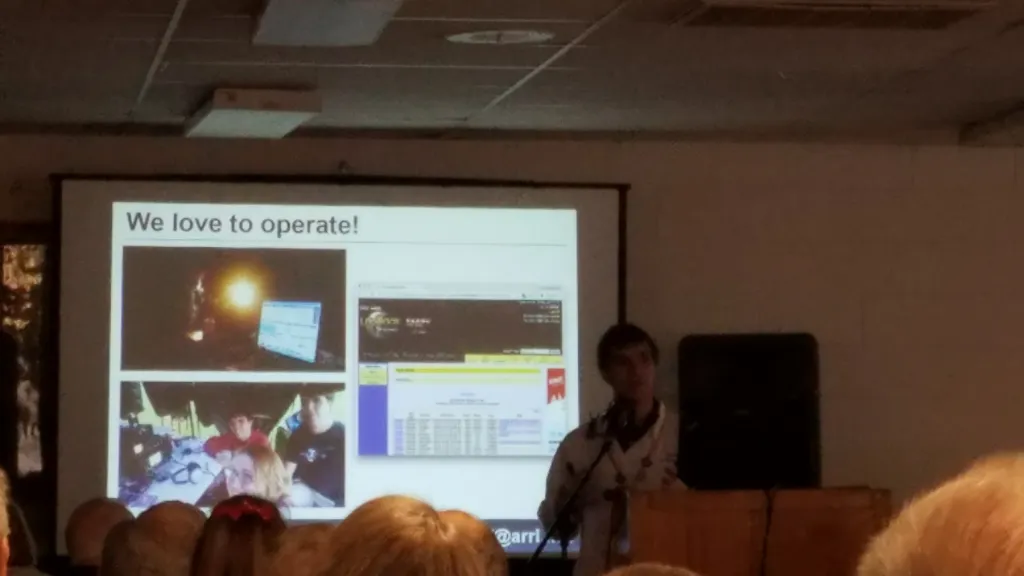
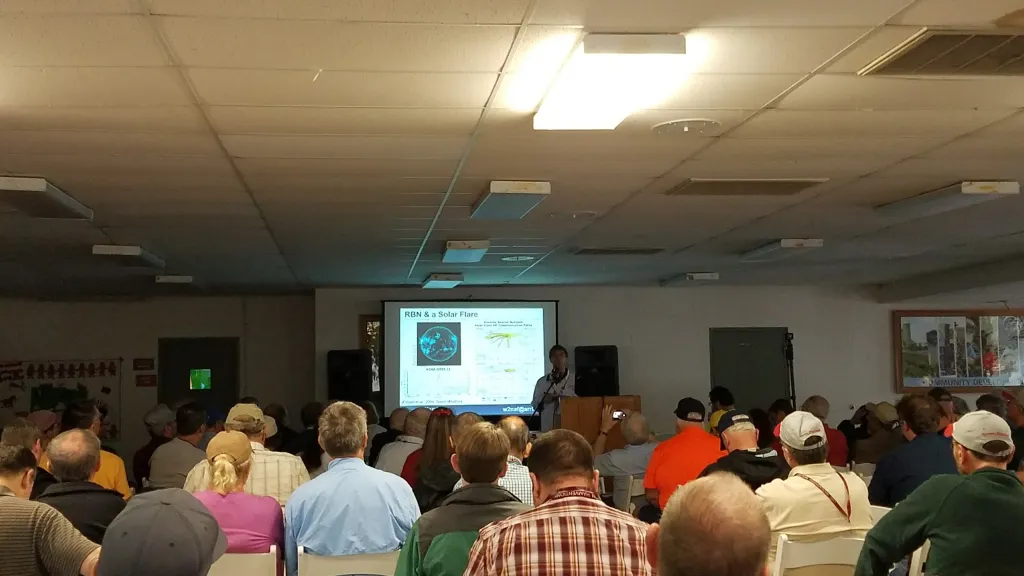
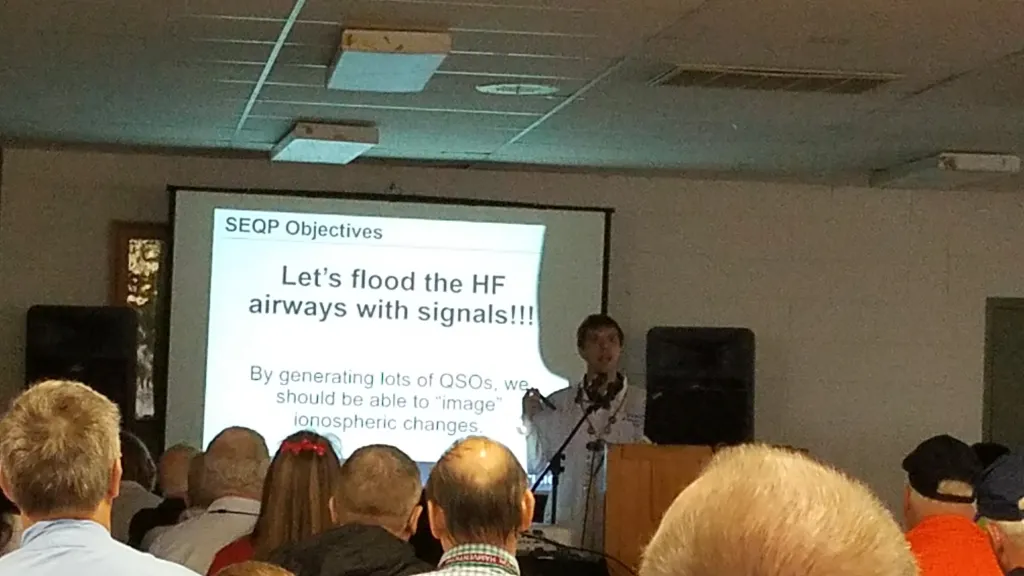
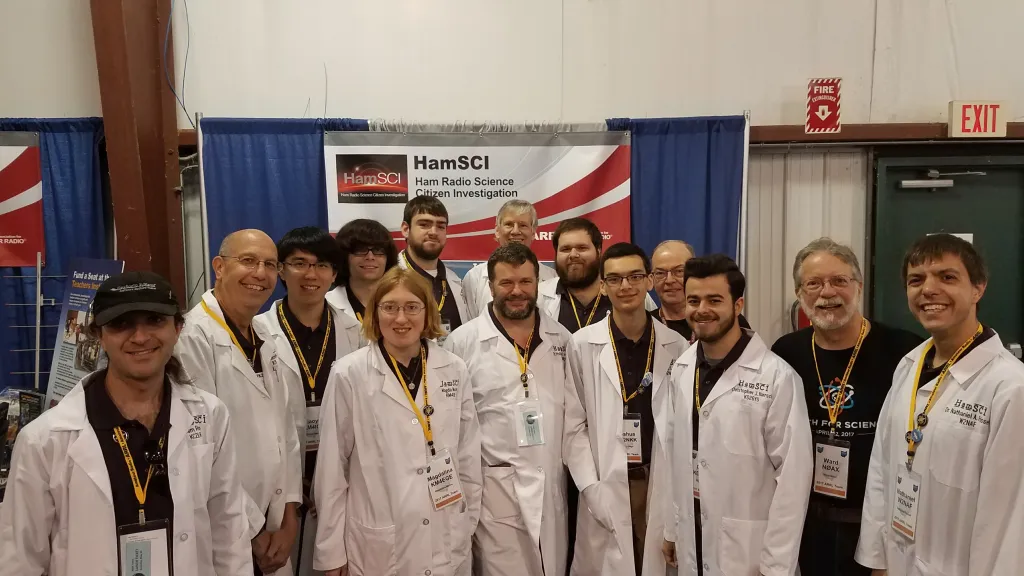
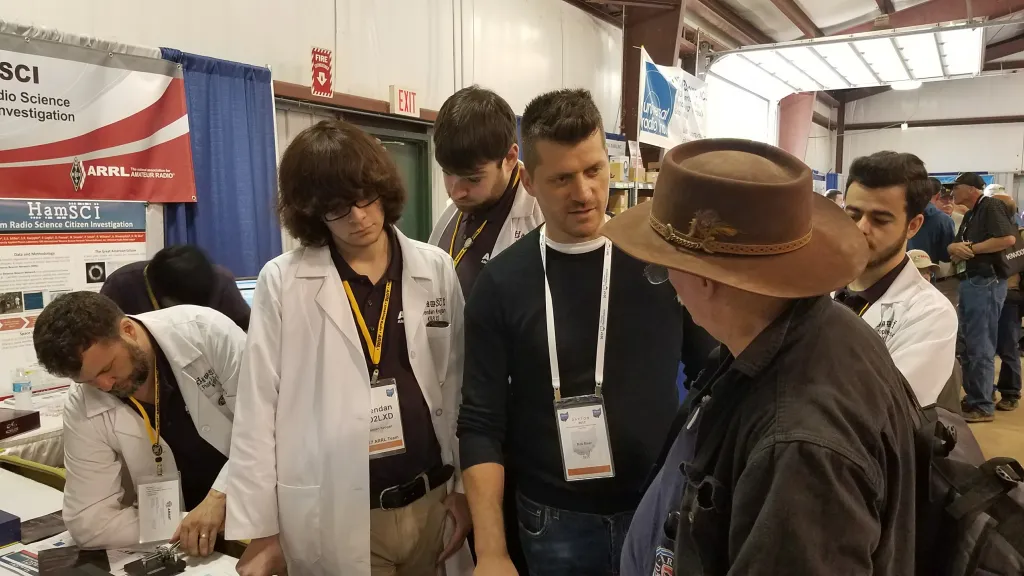
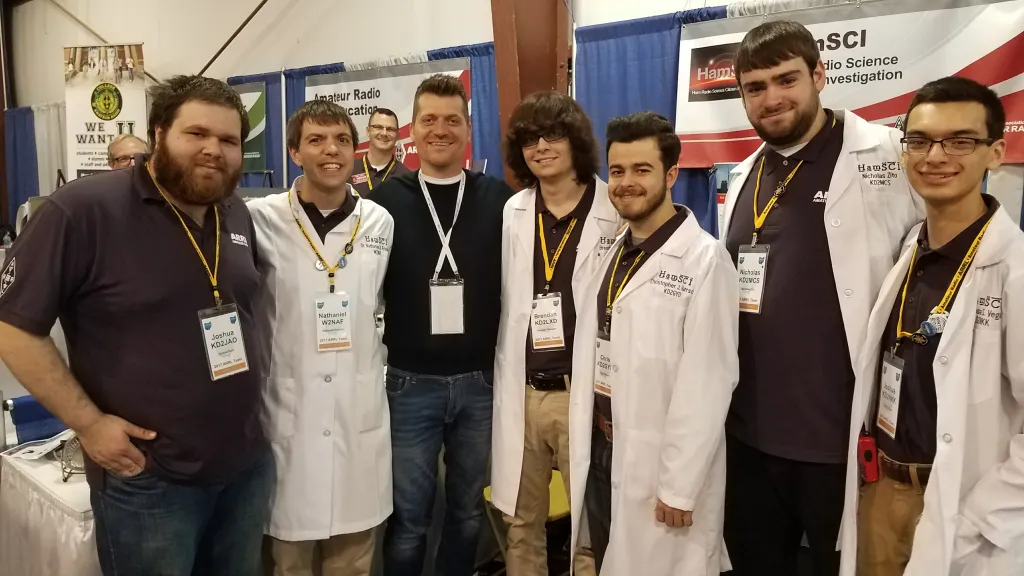
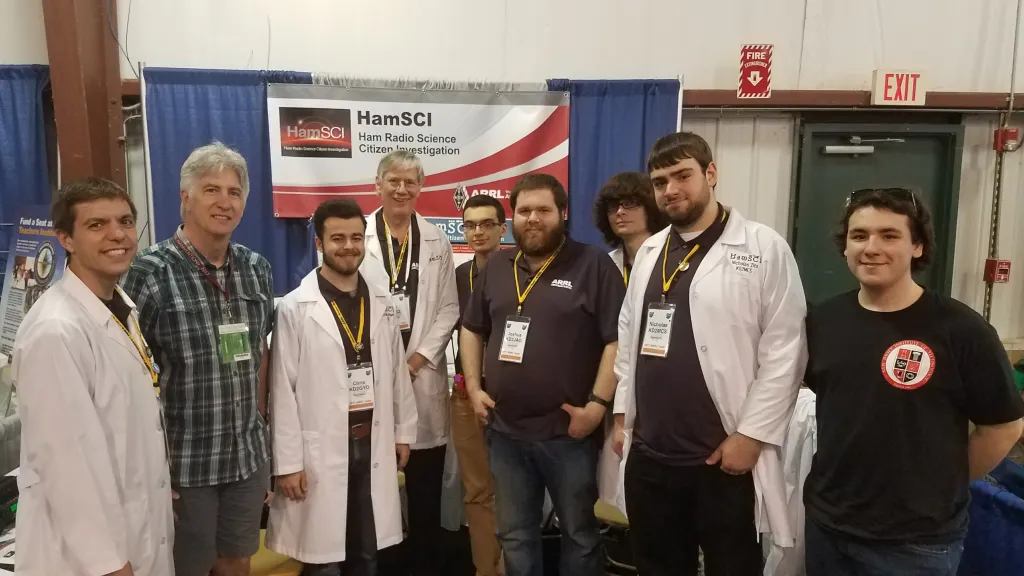
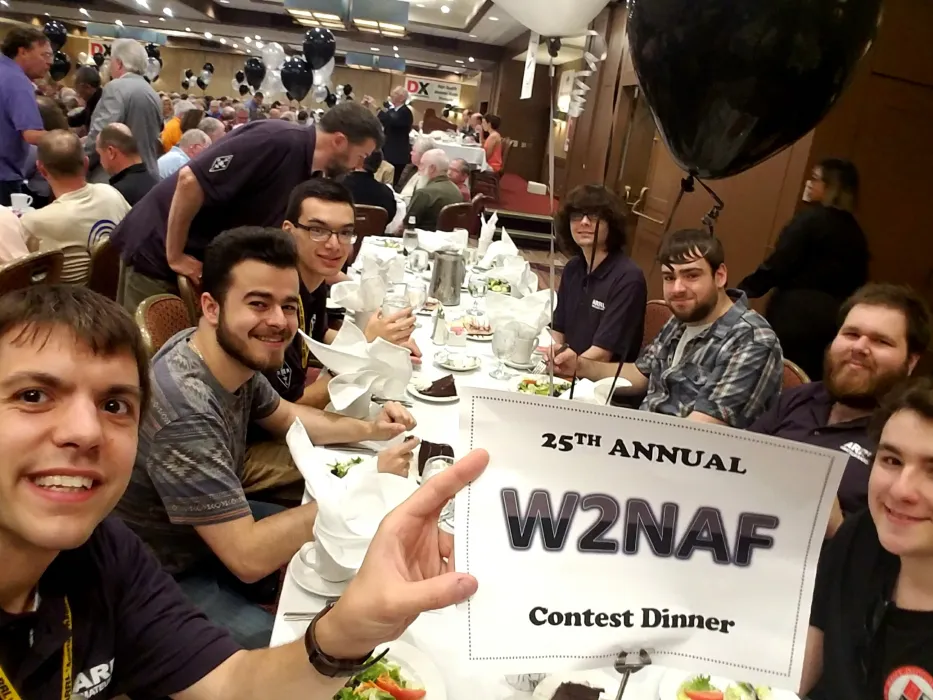
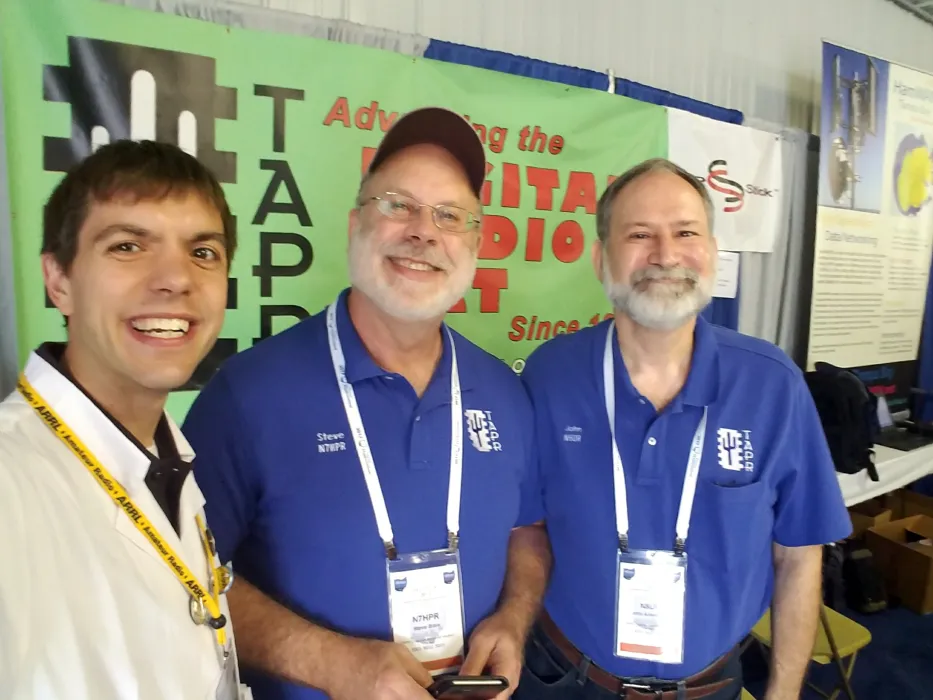
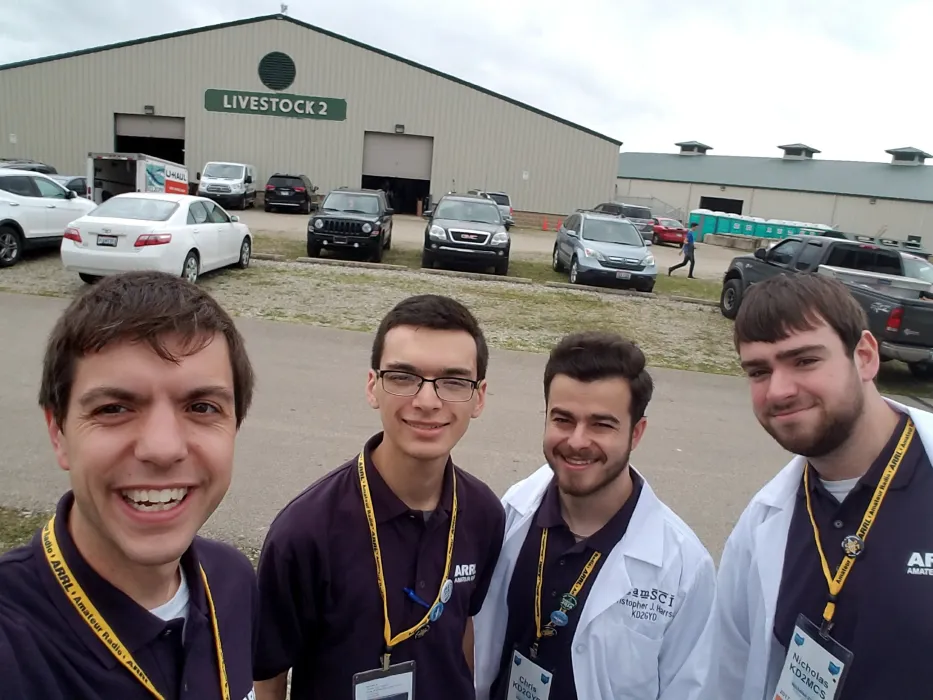
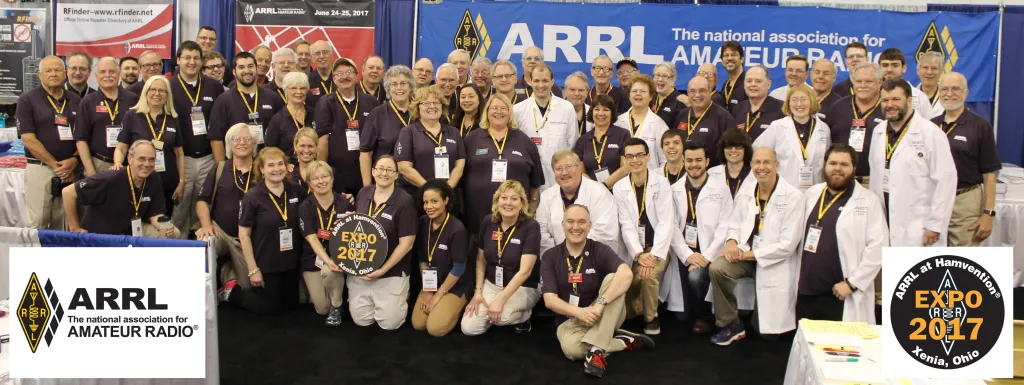
The HamSCI team completed a successful weekend presenting at the 2017 Dayton Hamvention in Xenia, Ohio. From May 19-21, the HamSCI team ran a booth in the ARRL Expo area where they discussed the HamSCI mission, upcoming experiments, and ways ham radio operators could participate in HamSCI activities. The HamSCI team included members from the New Jersey Institute of Technology, Virginia Tech, the MIT Haystack Observatory, and Citizen Scientists from the general amateur radio community. This includes the upcoming Solar Eclipse QSO Party (SEQP), participation in the EclipseMob Project, and a live demonstration of both Red Pitaya and Rabbit S-9C based Reverse Beacon Network receive nodes. On Saturday morning, HamSCI presented an ARRL-sponsored forum where members gave oral presentations about HamSCI research and activities. Photos, videos of the presentations, and PDFs of presentation slides are included in this post.
Saturday, 9:15 a.m. - 10:30 a.m. – Room 4 (175 cap.)
Moderator: Ward Silver, N0AX
By Nathaniel Frissell, W2NAF (NJIT-CSTR)
A brief overview of HamSCI’s mission, people, and projects are presented.
By Carl Luetzelschwab, K9LA
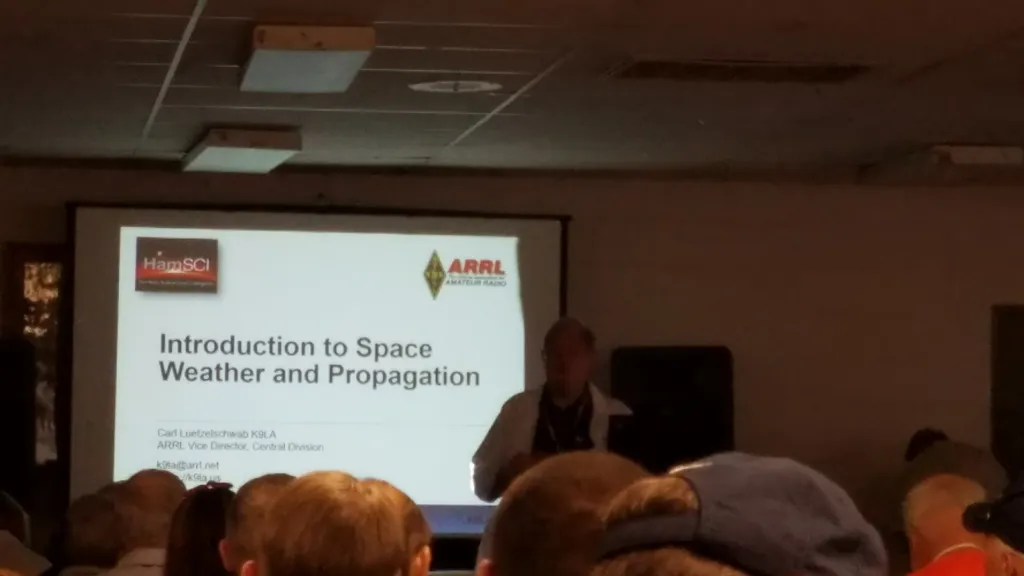
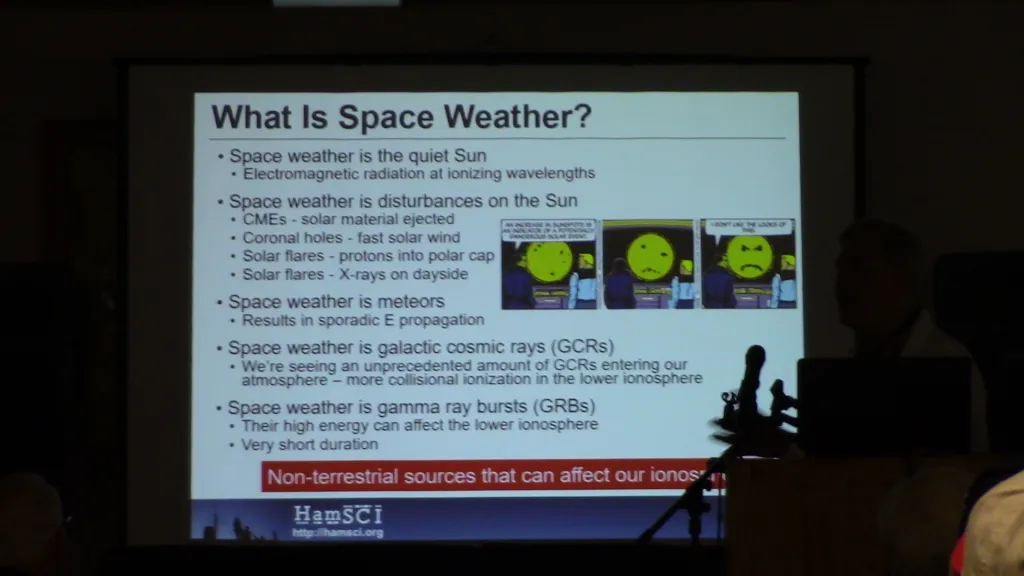
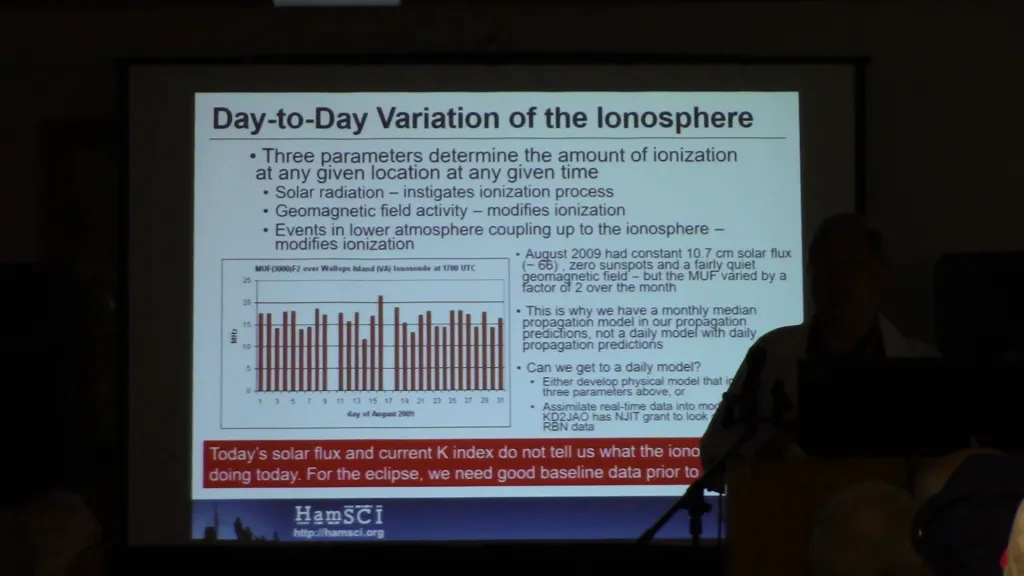
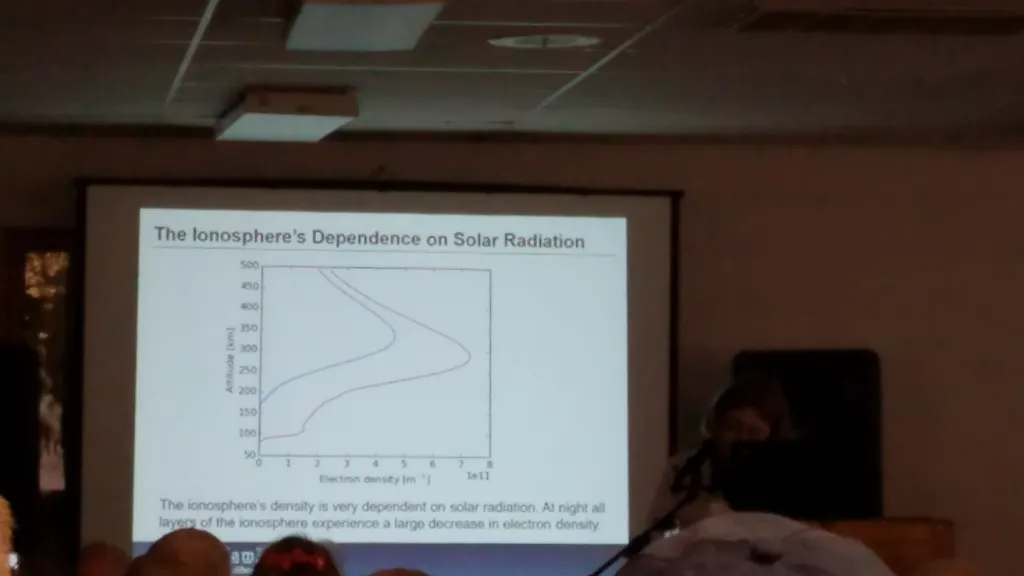
A broad overview of space weather and the effects on propagation is presented, including a review of general band characteristics, and a discussion of expectations for the bands during the 2017 Total Solar Eclipse.
By Joe Dzekevich, K1YOW, presented by Phil Erickson, W1PJE (MIT Haystack Observatory)
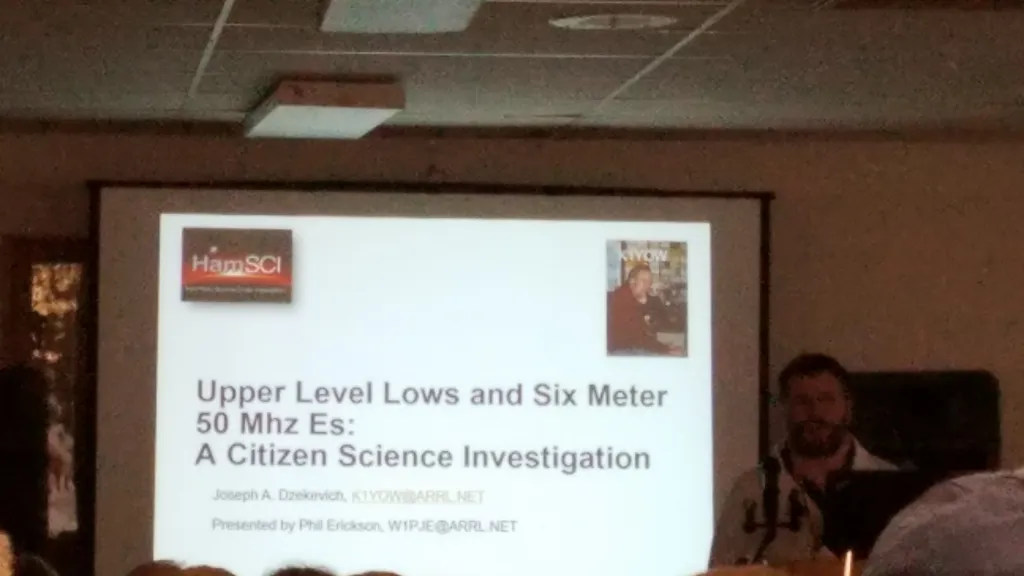
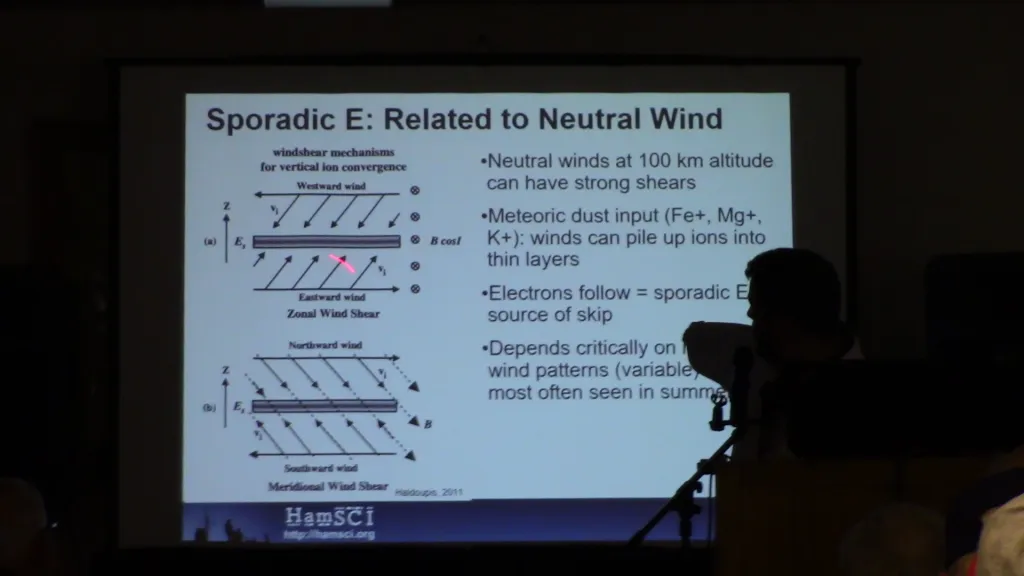
Amateur radio is used to explore possible correlations between weather storm systems and sporadic E clouds to see if they are collocated. While some of the main causes of sporadic E propagation are wind shear, meteor strikes and upper atmospheric tides (ultimately coming from solar EUV energy inputs), radio operators have noticed that sporadic E propagation is also changed significantly by hurricanes and storms. Specific cases where K1YOW used amateur radio to investigate the effects of low pressure weather storms on the formation and/or enhancement of 6 meter sporadic E clouds are presented. DX Maps and earth wide weather model charts combined with operations on 6 meters are used to examine possible correlations between the location of the sporadic E clouds and the low pressure weather storm systems. Initial findings show a high degree of correlation when magnetic field strength is taken into consideration.
By Magda Moses, KM4EGE (Space@Virginia Tech)
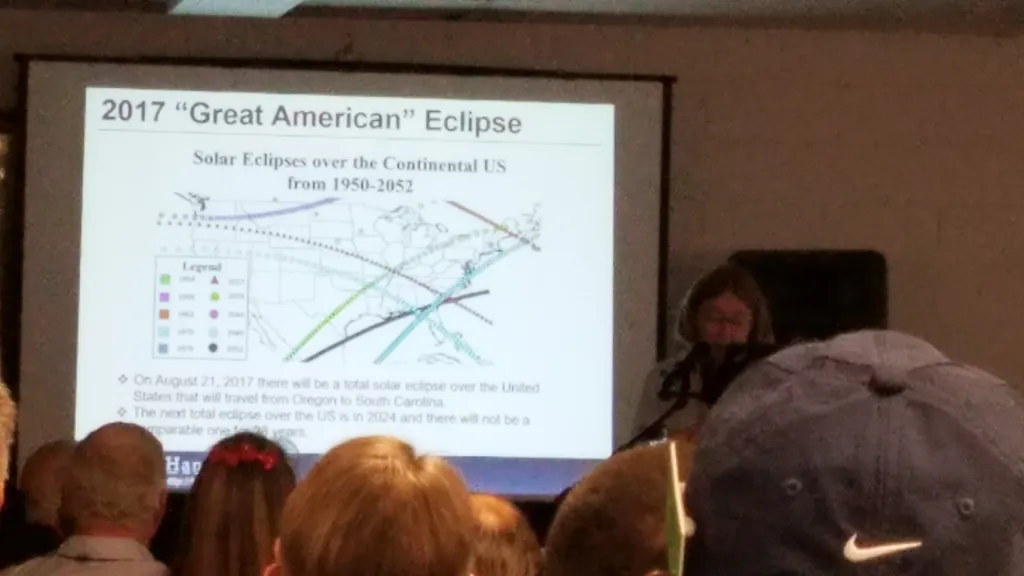
On August 21, there will be a total solar eclipse over the United States traveling from Oregon to South Carolina. There are significant differences between the conditions during a solar eclipse and the conditions normally experienced at sunset and sunrise, including the east-west motion of the eclipse terminator, the speed of the transition, and the continued visibility of the corona throughout the eclipse interval. Hence, unique ionospheric effects are produced during over the partial and total phases of the eclipse, reflected by changes in radio propagation. These include variations in the density and altitude of the F2 peak leading to changes in the Maximum Usable Frequency (MUF) and the path length of HF signals among others. Analysis of eclipse RF propagation data with raytracing algorithms will shed light on the underlying processes governing the ionosphere.
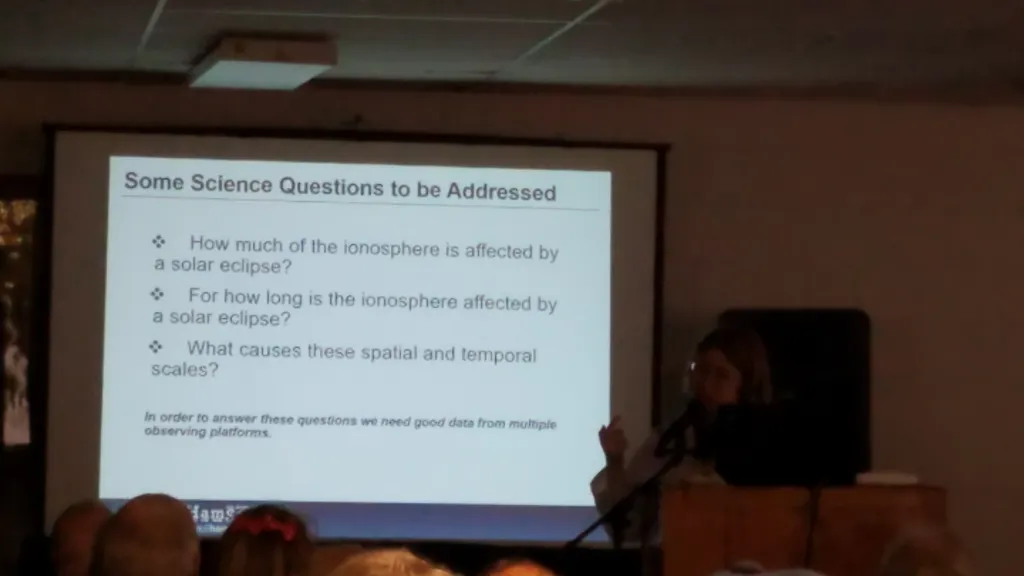
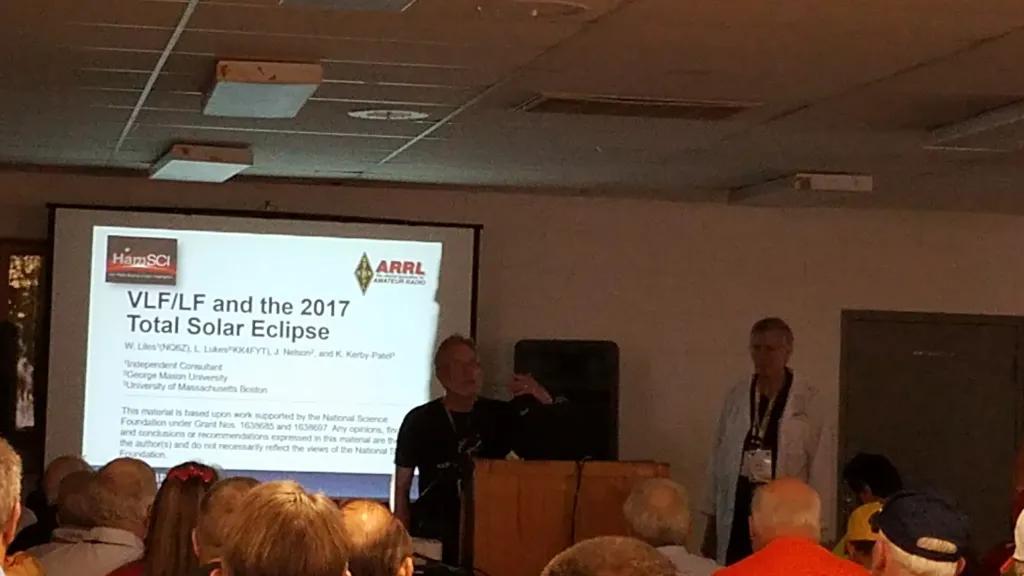
By Bill Liles, NQ6Z
Previous solar eclipse studies have observed different propagation effects at VLF/LF frequencies (3-300 kHz) compared with those observed at HF (3-30 MHz) frequencies. These differences are primarily due to the much longer wavelengths at lower frequencies in concert with ionospheric D layer interactions. To better understand the unusual eclipse-induced effects at VLF/LF frequencies, we present EclipseMob, a crowdsourced collection effort that will use smart phones as simple VLF/LF software defined radio (SDR) receivers to record changes in propagation from known transmitters during the 2017 Total Solar Eclipse.
By Nathaniel Frissell, W2NAF (NJIT-CSTR)
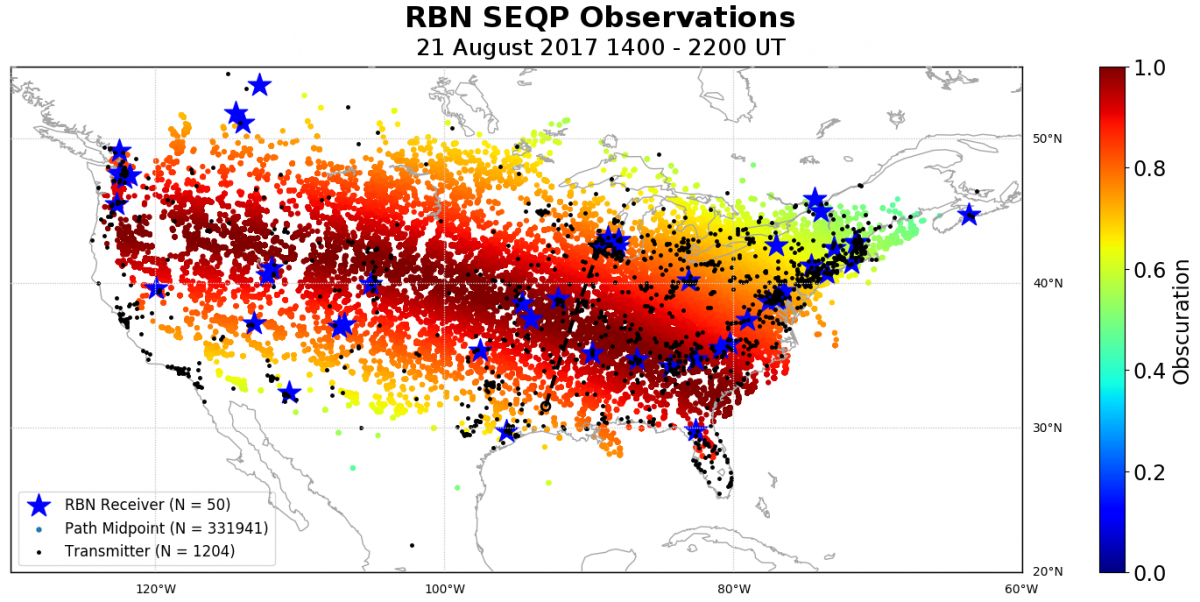
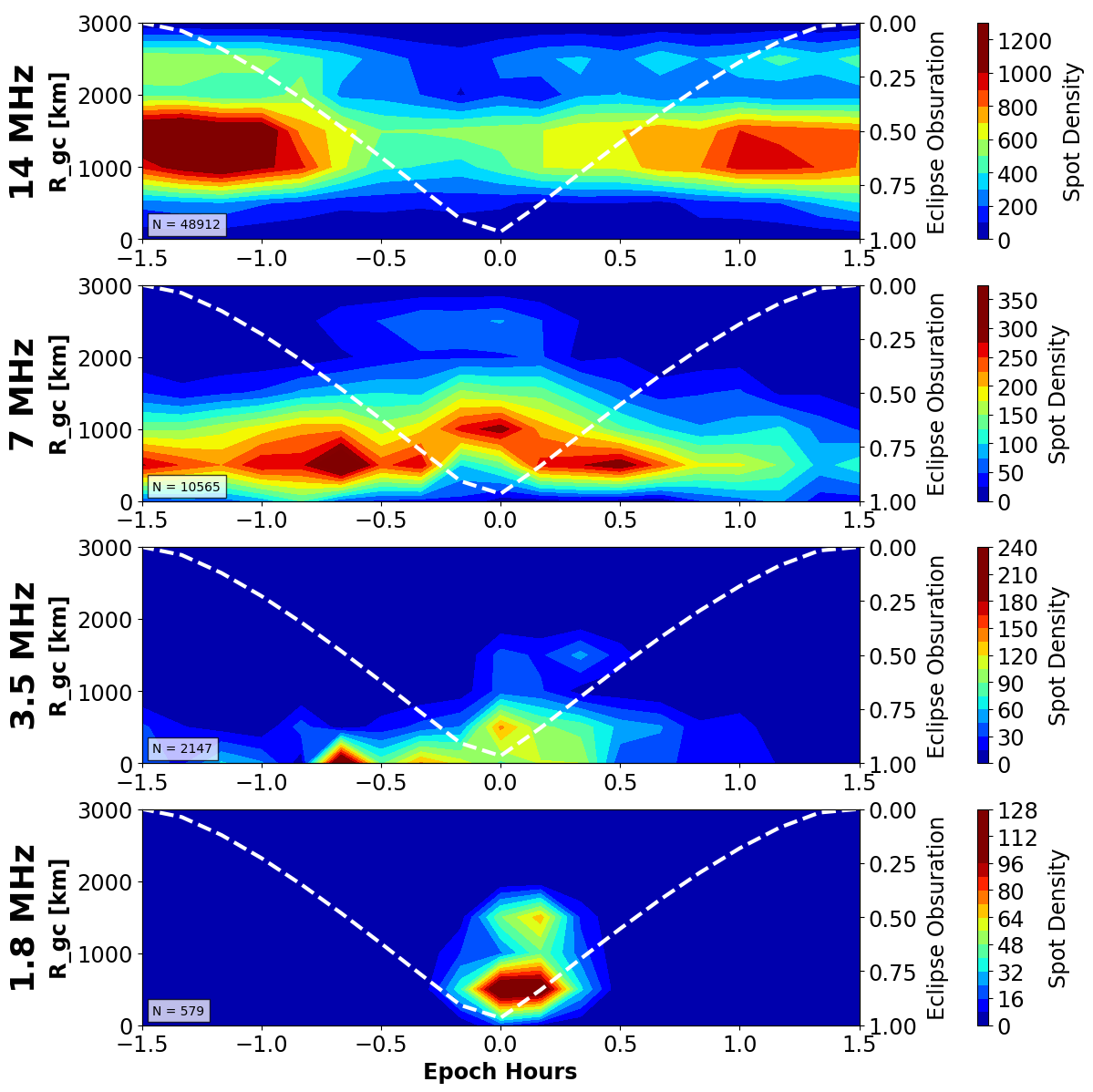
The 2017 Total Solar Eclipse is expected to temporarily induce profound changes on ionospheric structure, dynamics, and radio propagation. The ARRL and HamSCI are sponsoring a Solar Eclipse QSO Party (SEQP) that will be used to generate to assist in imaging ionospheric changes before, during, and after the eclipse. Data will be collected through participant submitted logs and the use of automated tools such as the Reverse Beacon Network (RBN), PSKReporter, and WSPRNet. SEQP rules and a prediction of results will be presented.
HamSCI member Bill Liles, NQ6Z, won the Best Paper Award at the 15th International Ionospheric Effects Symposium (IES2017) for his paper On the use of solar eclipses to study the ionosphere. IES2017 was held in Alexandria, Virginia from May 9 - 11, 2017 and had the theme "Bridging the gap between applications and research involving ionospheric and space weather disciplines". Bill's paper includes a review of previous eclipse ionospheric findings and an overview of the efforts to study the August 21, 2017 Total Solar Eclipse. Bill's paper is co-authored with Cathryn Mitchell (M0IBG), Mark Cohen, Greg Earle (W4GDE), Nathaniel Frissell (W2NAF), K. Kirby-Patel, Laura Lukes (KK4FYT), Ethan Miller (K8GU), Magda Moses (KM4EGE), J. Nelson, and J. Rockway.
Thanks to sponsorship by the American Radio Relay League, HamSCI will be a part of the 2017 Dayton Hamvention from May 19-21, 2017 at the Greene County Fairgrounds in Xenia, Ohio. Throughout the entire Hamvention, HamSCI members from the New Jersey Institute of Technology, Virginia Tech, the MIT Haystack Observatory, and Citizen Scientists from the general amateur radio community will be at the HamSCI booth in the ARRL EXPO area in Building 2 to discuss HamSCI programs, activities, and mission. The 2017 Total Solar Eclipse and Solar Eclipse QSO Party (SEQP) of August 21, 2017 will be among the most discussed topics at this year’s HamSCI Hamvention Booth. Other topics include using RBN, WSPRNet, and PSKReporter for space weather research and a demonstration of how to operate a Reverse Beacon Network receiver.
In addition to the HamSCI booth in the ARRL EXPO area, there will also be an ARRL-sponsored HamSCI forum on Saturday, May 20, 2017 from 9:15 A.M. – 10:30 AM in Room 4. During the forum, panelists will share information about professional research programs supported by radio amateurs. Abstracts for this forum are listed at the end of this article.
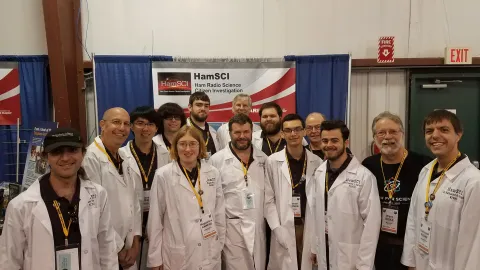
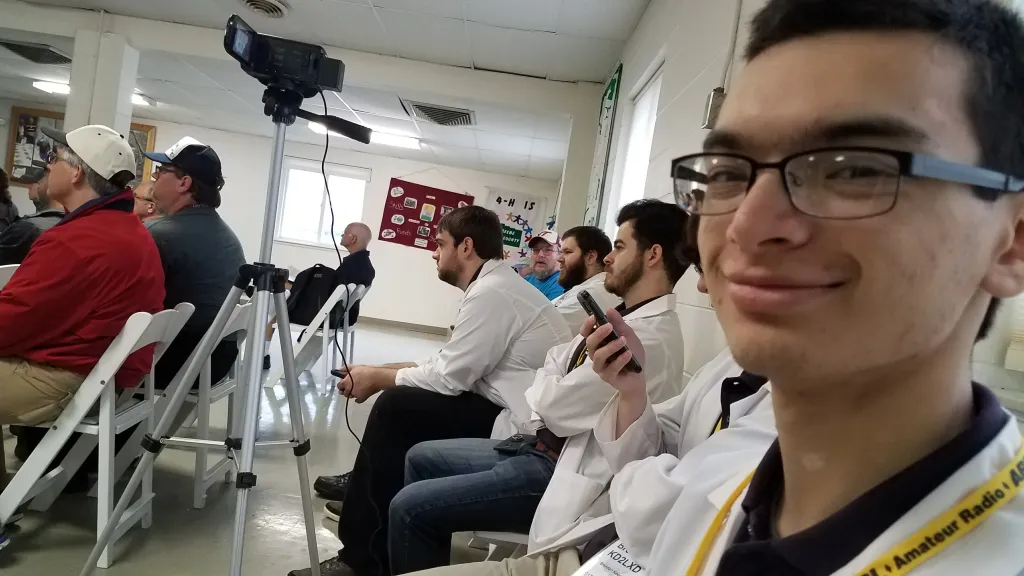
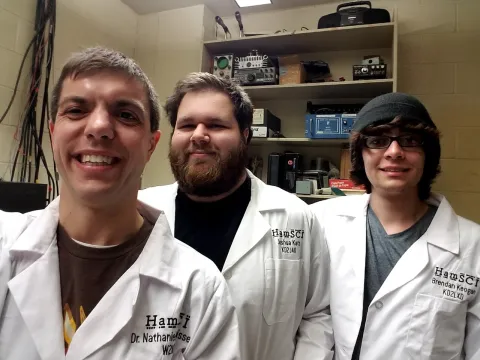
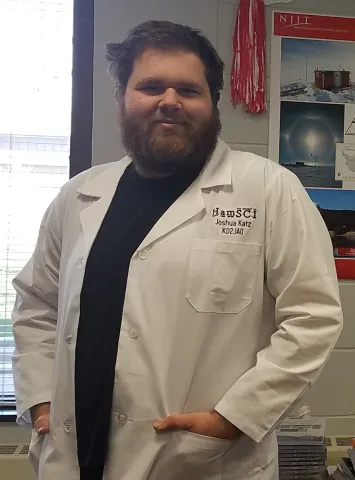
HamSCi members will be easy to spot during the Hamvention… just look for the distinctive white HamSCI Labcoats!
Saturday, 9:15 a.m. - 10:30 a.m. – Room 4 (175 cap.)
Moderator: Ward Silver, N0AX
By Nathaniel Frissell, W2NAF (NJIT-CSTR)
A brief overview of HamSCI’s mission, people, and projects are presented.
By Carl Luetzelschwab, K9LA
A broad overview of space weather and the effects on propagation is presented, including a review of general band characteristics, and a discussion of expectations for the bands during the 2017 Total Solar Eclipse.
By Joe Dzekevich, K1YOW, presented by Phil Erickson, W1PJE (MIT Haystack Observatory)
Amateur radio is used to explore possible correlations between weather storm systems and sporadic E clouds to see if they are collocated. While some of the main causes of sporadic E propagation are wind shear, meteor strikes and upper atmospheric tides (ultimately coming from solar EUV energy inputs), radio operators have noticed that sporadic E propagation is also changed significantly by hurricanes and storms. Specific cases where K1YOW used amateur radio to investigate the effects of low pressure weather storms on the formation and/or enhancement of 6 meter sporadic E clouds are presented. DX Maps and earth wide weather model charts combined with operations on 6 meters are used to examine possible correlations between the location of the sporadic E clouds and the low pressure weather storm systems. Initial findings show a high degree of correlation when magnetic field strength is taken into consideration.
By Magda Moses, KM4EGE (Space@Virginia Tech)
On August 21, there will be a total solar eclipse over the United States traveling from Oregon to South Carolina. There are significant differences between the conditions during a solar eclipse and the conditions normally experienced at sunset and sunrise, including the east-west motion of the eclipse terminator, the speed of the transition, and the continued visibility of the corona throughout the eclipse interval. Hence, unique ionospheric effects are produced during over the partial and total phases of the eclipse, reflected by changes in radio propagation. These include variations in the density and altitude of the F2 peak leading to changes in the Maximum Usable Frequency (MUF) and the path length of HF signals among others. Analysis of eclipse RF propagation data with raytracing algorithms will shed light on the underlying processes governing the ionosphere.
By Bill Liles, NQ6Z
Previous solar eclipse studies have observed different propagation effects at VLF/LF frequencies (3-300 kHz) compared with those observed at HF (3-30 MHz) frequencies. These differences are primarily due to the much longer wavelengths at lower frequencies in concert with ionospheric D layer interactions. To better understand the unusual eclipse-induced effects at VLF/LF frequencies, we present EclipseMob, a crowdsourced collection effort that will use smart phones as simple VLF/LF software defined radio (SDR) receivers to record changes in propagation from known transmitters during the 2017 Total Solar Eclipse.
By Nathaniel Frissell, W2NAF (NJIT-CSTR)
The 2017 Total Solar Eclipse is expected to temporarily induce profound changes on ionospheric structure, dynamics, and radio propagation. The ARRL and HamSCI are sponsoring a Solar Eclipse QSO Party (SEQP) that will be used to generate to assist in imaging ionospheric changes before, during, and after the eclipse. Data will be collected through participant submitted logs and the use of automated tools such as the Reverse Beacon Network (RBN), PSKReporter, and WSPRNet. SEQP rules and a prediction of results will be presented.
An active broadband receive antenna is a suitable choice for a modest multi-band RBN receive station. Ideally, this antenna should be able to receive between 1.5-30 MHz and be omni-directional.
Recommended Antennas:
A multiband RBN receiver is a HF software defined radio that is capable of listening to multiple bands simultaneously. There are very few reasonably priced receivers with this capability currently available. Some recommendations are listed below.
Recommended Receivers:
Recommended Receivers with Limited Availability:
Other Receivers:
Dai Nagakura, JF2IWL, has performed a comparison of the Red Pitaya, Rabbit S9-C, and QuickSilver QS1R receivers as RBN Skimmers. He concludes that all three radios perform well as multiband skimmers if installed properly.
In certain cases, a preamplifier may be needed to improve the performance of the receiver. The typical advice is not to use one unless you have data showing it would be useful. Otherwise it just reduces the dynamic range of the system and does more harm than good, especially if there is a transmitter nearby like most ham stations. An easy and valid test is to listen and connect the antenna. If you hear any increase in noise with the antenna conected, you have plenty of gain already. The need for a preamplifier can vary as a function of band.
To check the RF noise level with the Red Pitaya, use the HamLAB PowerSDR software. This will let you use the Red Pitaya as standard software defined radio and listen to and see the RF spectrum anywhere in the Red Pitaya's operating range (0-62.5 MHz). Note that you can have up to two antennas attached to a single Red Pitaya, and assign each slice receiver to a particular antenna.
Note that the NJIT/K2MMF-2 RBN node appears to be providing satisfactory results with only an ARAV3-1P antenna connected directly to the Red Pitaya with no additional preamplifiers or modifications. Further testing will be done in the future to see if a preamplifier is really needed in this configuration.
Recommended Premplifier Options:
When installing the RBN Receiver, it is important to make sure that your transmit operations do not damage your RBN receiver, especially the pre-amplifiers. This can be done by:
Also, active antenna and preamp instructions manuals should provide good guidance with this.


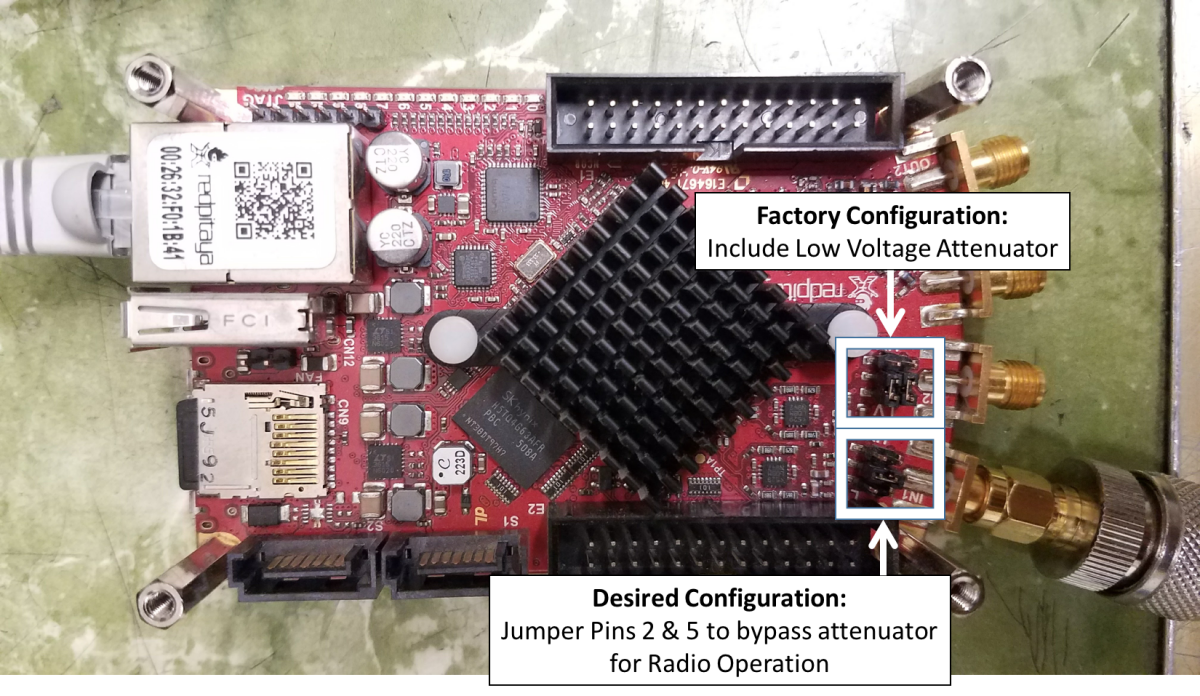
Figure 1: Annotate photo of the Red Pitaya STEMLab 125-14.

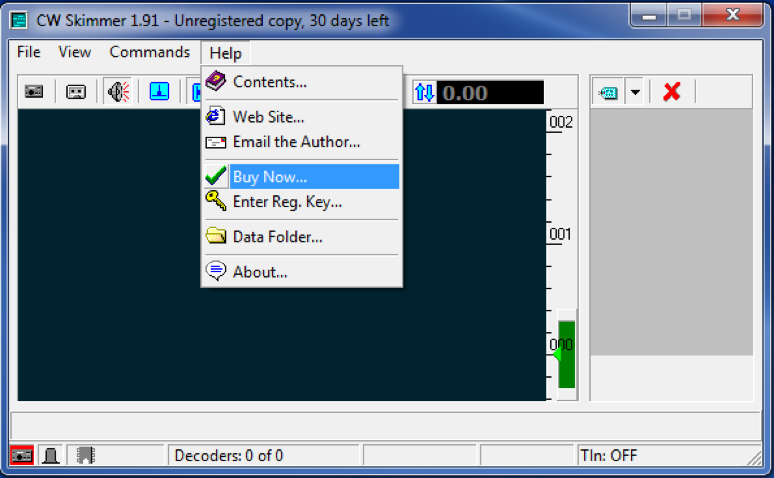
Figure 2: "Buy Now..." option of the CW Skimmer program. Note that when you register CW Skimmer, CW Skimmer Server is also automatically registered.

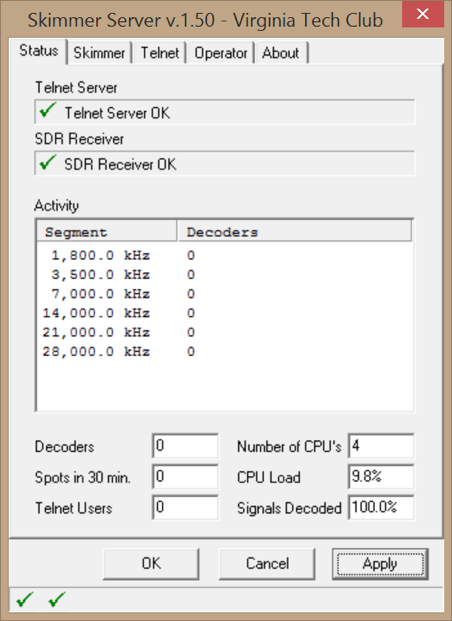
Figure 3: Status tab of CW Skimmer Server Settings.

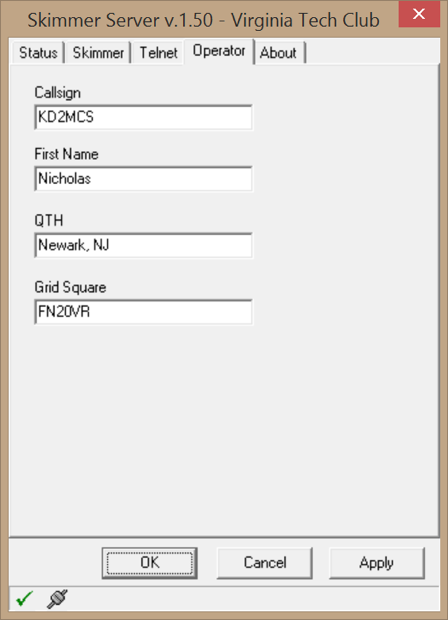
Figure 4: Operator tab of CW Skimmer Server Settings.

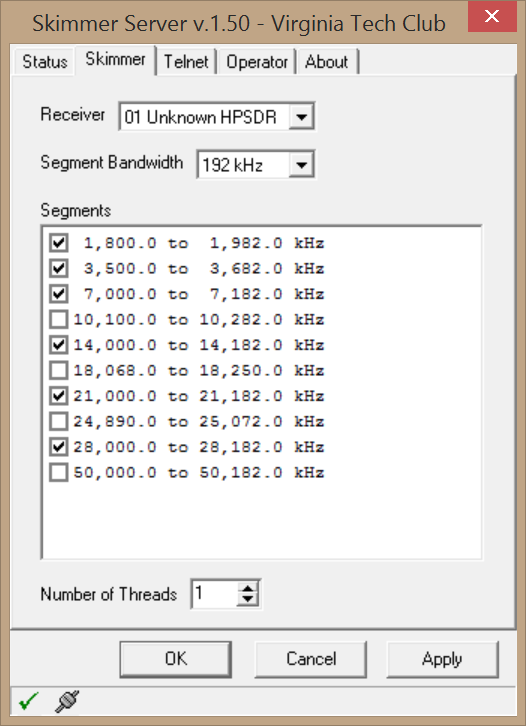
Figure 5: Skimmer tab of CW Skimmer Server Settings.

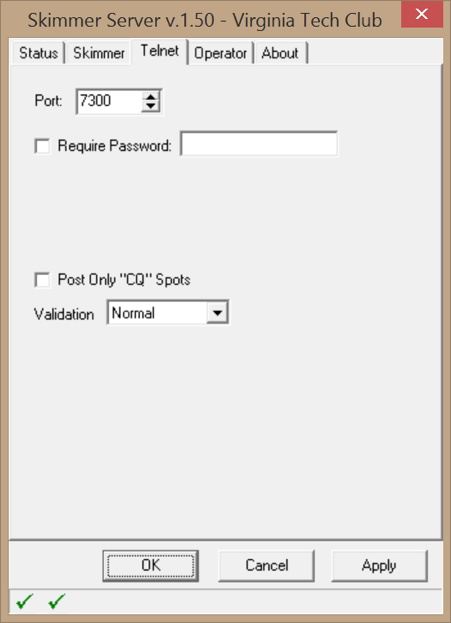
Figure 6: Telnet tab of CW Skimmer Server Settings.

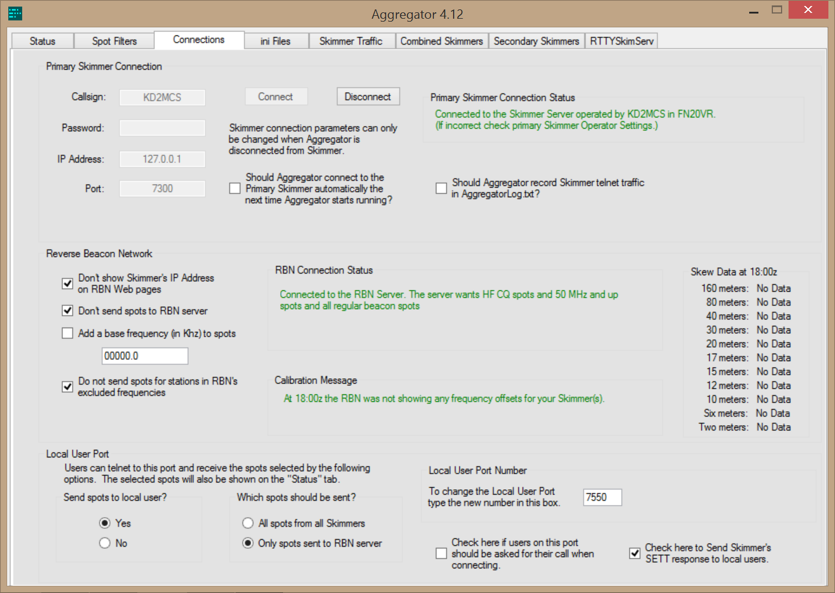
Figure 7: RBN Aggregator Connections tab.

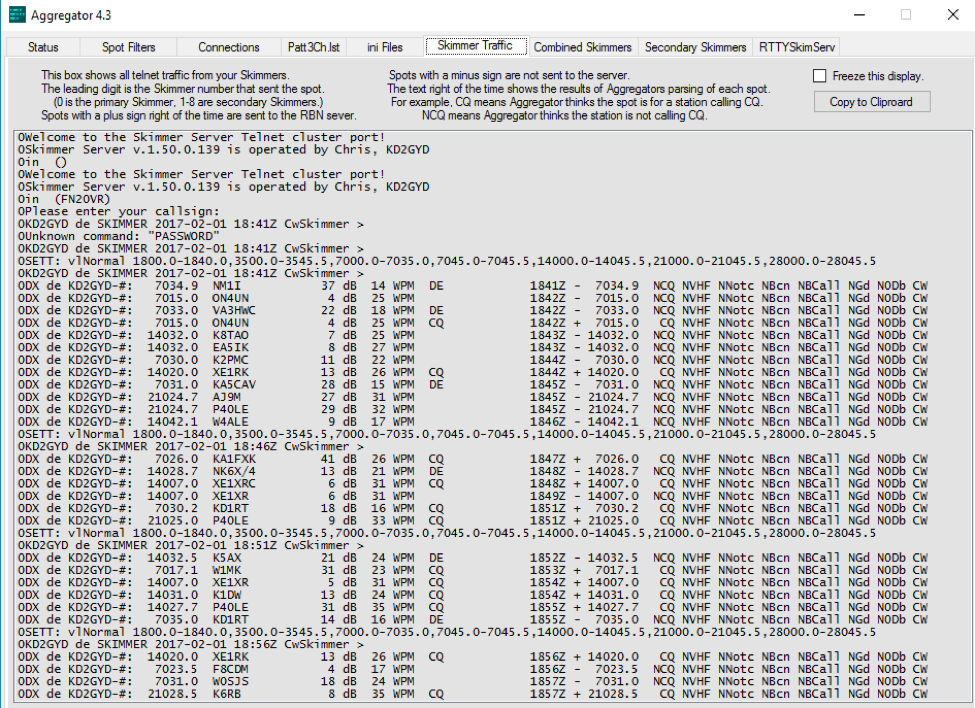
Figure 8: RBN Aggregator Skimmer Traffic tab.

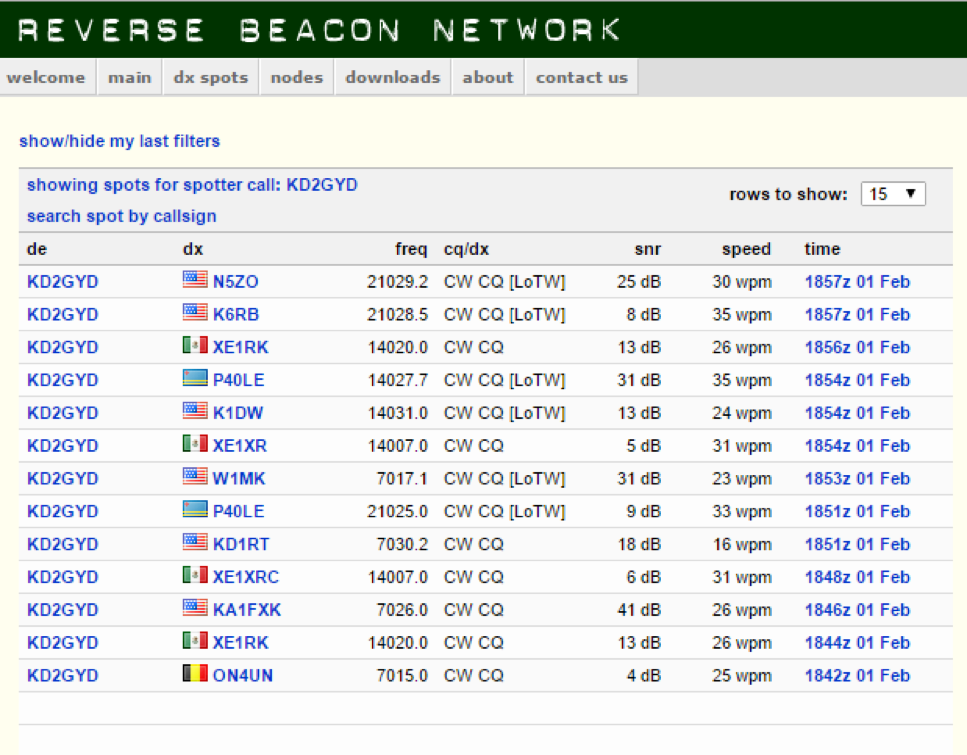
Figure 9: RBN Website showing reported spots from the new RBN Skimmer Node.
Similarly, the Red Pitaya can be used as a RTTY skimmer.
Recordings of digitized RF data are valuable to HamSCI in that they can be analyzed after the contest to reveal signal characteristics that aren't visible in the spots sent to the RBN network. Using the CWSL_Tee library, it is possible to record the raw I/Q data being sent to CW Skimmer Server to files while Skimmer is running. When recording, it is recommended that you install the NTP client to keep the PC's clock synchronized, as this will make the file timestamps as accurate as possible. To install the NTP client, follow the steps in the section "Meinberg NTP Client Installation" under the QS1R Reverse Beacon Network setup guide.
To configure Skimmer Server to run behind CWSL_Tee, do the following:
Once Skimmer Server is operating through CWSL_Tee, the CWSL_File program is used to record the data from a given band. This program is run via the command line, and records a single band per instance. Therefore, to record every band being skimmed, multiple instances of CWSL_File are run simultaneously.
Note that CWSL_Tee should not be placed in the C:\Program Files or C:\Program Files (x86) directories - these are not writable without administrator privileges, and attempting to record to these directories will result in no file output.
Recording a 192KHz band segment was observed to produce slightly under 1MB/s of sustained disk writes. At this rate, recording 6 bands for 24 hours would produce about 375GB of output. It is expected that any modern 1TB or greater hard drive should provide enough write bandwidth to sustain the recording of 6 bands simultaneously for the duration of the event.
To initiate recording follow the procedure below:
After the contest ends, please follow the procedure under the "Uploading to Zenodo" section of the HamSCI Wideband Recording How-To Guide to upload the recordings. As Zenodo has a 50GB limit per data set, please upload the recording for each band as a separate data set where this makes sense. If it is not feasible to upload this much data following the contest, please contact HamSCI so we can make arrangements to get the data via another method.
There are a number of great support communities online for people who operate RBN Receive Nodes and Skimmers.
HamSCI member Joshua D. Katz, KD2JAO, was recently announced as a winner of the 2017 NJIT Provost Undergraduate Summer Research award for his research proposal entitled Estimating Ionospheric Parameters Using Real-Time Data Sources. This $3000 grant will allow Mr. Katz to conduct this research at the New Jersey Institute of Technology Center for Solar Terrestrial Research during the upcoming summer, where he develops software solutions to computationally intensive physics problems in the domains of simulation and big data analysis. Mr. Katz's summer research will be supervised by Dr. Nathaniel Frissell, W2NAF, a researcher in the NJIT-CSTR. The proposal abstract is listed below.
Submitted by: Joshua D. Katz, KD2JAO
Research advisor: Nathaniel A. Frissell, W2NAF
Abstract: The ionosphere is a region of the atmosphere that affects communication, radio propagation, and global navigation systems. This makes understanding and modeling ionospheric structures and dynamics important. Modeling this in real time is difficult because there is a limited set of data sources that can be sampled continuously and in real time. We propose an assimilation process that will enable the incorporation of novel data sources, generated by citizen-scientist activities, into real-time modeling and prediction systems. We will use this data source to generalize a method for calibrating ionospheric models to fit conditions currently being experienced by real radio operators. These data sources are large, historical, and provides a unique coverage that is otherwise absent in traditional sounding technologies. Additionally, these data sources are available in real-time. We propose the development and implementation of an algorithm to best-fit a well-accepted climatological ionospheric model to observations of amateur radio communications. Residuals from the data-model comparison will be used to identify periods of abnormal radio propagation that can then be used in future scientific studies.
View Original Eventbrite Article
Organized by the Harvard Wireless Club, W1AF
On April 29th, 2017 the Harvard Amateur Radio Symposium (1st edition) will be held in historic Harvard Yard at the center of Harvard University. The symposium will be an opportunity for radio enthusiasts and experts at Harvard, other universities, and beyond to gather to hear speakers present on topics related to amateur radio, both historical and technical in nature. The symposium is being put on by the Harvard Wireless Club, W1AF (HWC), a Harvard owned, run, and sponsored amateur radio society dedicated to the pursuit of amateur radio activity, education, and volunteerism. The HWC has decided to hold this symposium as a means of celebrating our interest in amateur radio as well as to encourage and promote the continuation of the use of amateur radio in the future.
Speakers:
Parking permits can be purchased here.
By Fleet Belknap, KJ4ZWA
Bob Jones University, Greenville, SC
Observable solar eclipses are rare events, and a lot is still unknown about how they interact with earth’s atmosphere. The August 21, 2017 total solar eclipse will provide a treasure trove of information, as it will take place across the United States. In order to study the atmosphere during the solar eclipse, NASA is partnering with over 57 teams across the continent to launch balloons that will provide live video of the eclipse. While this looks like an interesting opportunity, it is way too expensive for the average Amateur Radio enthusiast; each team has a budget anywhere from $6,000 to $25,000.
A group of over 25 students from Greenville, SC are doing something different. They have developed the Stratos Project. With a current budget of under $2,000, they plan on sending a live video and scientific data to earth from a balloon at approximately 100,000 feet and inside the path of totality. Instead of using commercial satellite tracking and communications, they are using Amateur Radio. The video and some scientific data will be transmitted with an Amateur Television Transmitter (ATV) throughout the flight. They are planning on using a raspberry pi with a sense hat, GPS, & spectrometer to collect live data throughout the mission. The payload will also contain a specialized flight data computer to collect humidity, barometric pressure, and temperature as well as other scientific data throughout the flight. They will be using a low power APRS transmitter to keep track of the payload throughout the flight as well as a foxhunting transmitter as a backup location beacon.
Fleet Belknap had launched a high-altitude balloon with his freshman engineering class in the fall 2016 semester. Several other students were greatly intrigued by the idea, and were wishing that they could do it. In the middle of the conversation, Fleet and his classmate James came up with the idea of doing fundraising and launching a balloon outside of class. As the group thought about ways that they could make the mission challenging, the subject of the August 21 eclipse came up; and Project Stratos was born.
The team’s project manager is James Labadorf (KJ4IQS). He is an Eagle Scout, and has been a licensed HAM operator since 2008. The team’s lead engineer is Fleet Belknap (KJ4ZWA). He is a certified Aircraft Electronics Technician (NCATT AET) and has been a HAM since 2011. They have a combined total of over 14 years of experience in Amateur Radio.
The team consists of over 25 students with majors ranging from engineering and computer science to pre-med, cinema, and biochemistry. As with any project, there are many challenges that will need to be overcome by the team. Among these are the problems of regulating the internal temperature of the payload, payload & camera stability, and consistent communication with the payload. The Stratos team will be working this summer to overcome these obstacles and use Amateur Radio in the launch to the stratosphere.
The team is going to be making the event public by live streaming the video on YouTube. The operating frequencies for the transmitters will be released about a week prior to the launch. Any reports and/or recordings of the data would be greatly appreciated by the team.
Regular updates can be found on the team’s Facebook page: https://www.facebook.com/GRVHAB/
Donations to the project may be made at the team’s GoFundMe page: https://www.gofundme.com/GRVHAB
They are starting a YouTube Channel at: https://www.youtube.com/channel/UCpSzq41Qt1zjNbXb3Mgfdmg
By Dr. Chuck Higgins, Middle Tennessee State University
Radio Jove is a NASA-affiliated education and outreach project that began in 1999 and gives students, teachers, and other interested individuals a hands-on experience in learning radio astronomy (http://radiojove.gsfc.nasa.gov). Radio Jove is a not-for-profit organization, led by a team of about eight volunteer scientists and engineers, which provides a mechanism to distribute radio telescope education kits and educational resources. Participants may build a simple radio telescope kit, make scientific observations, and interact with professional radio observatories in real-time over the Internet. Dedicated observers can help answer science questions about the nature and characteristics of low frequency radio emissions coming from Jupiter and the Sun, as well as, to understand the variability of Earth’s ionosphere. Radio Jove maintains a data archive to facilitate in the exchange of information and the validation of other ground-based and space-based radio data.
Due to the nature of its magnetic field, Jupiter emits cyclotron radio wave frequencies below 40 MHz, and more precipitously at lower frequencies. The best frequency range to study Jupiter with ground-based telescopes is above the ionospheric cutoff at about 15 MHz and below 30 MHz. The Sun is also a strong, sporadic non-thermal radio emitter at these frequencies (Figure 1). Because this frequency range overlaps the ham radio bands, Jupiter and solar radio astronomy may be of keen interest to some of the ham radio community.

Figure 1. This is a typical type III solar radio burst observed (red line) at 20.1 MHz with a Radio Jove telescope and (blue line) at 22.2 MHz using an ICOM R-75 receiver and a set of two aluminum dipoles. The data are plotted as intensity (antenna temperature, Kelvin) versus time on Dec 24, 2013. [Credit: W. Greenman]
On August 21, 2017, the Great American Eclipse of 2017 will take place. The moon will pass directly between the Earth and the Sun and the shadow of the moon will follow a path across the continental United States from Oregon to South Carolina. There are many websites describing this amazing phenomenon, and the website https://eclipse2017.nasa.gov provides a great list of general information, eclipse science, observing events, and educator resources.
Radio Jove is engaging citizen scientists during the 2017 solar eclipse by encouraging them to observe the solar eclipse with radio telescopes. We will enlist and train observers from across the US to help with deployment of the telescopes at different locations along the eclipse path of totality and at other locations receiving a partial eclipse (Figure 2). During the approximately 4-hour event (with totality lasting only ~2.5 min), the 120 km-diameter umbra and the larger penumbra of the moon will sweep across the continental United States. Radio observers will monitor the Sun for solar flares and radio events during the solar eclipse, as well as, observe the galactic radio background (GRB) before, during, and after the eclipse. We will make most observations over a narrow frequency range centered on 20.1 MHz, and several advanced observers will operate spectrographs between 15-30 MHz.
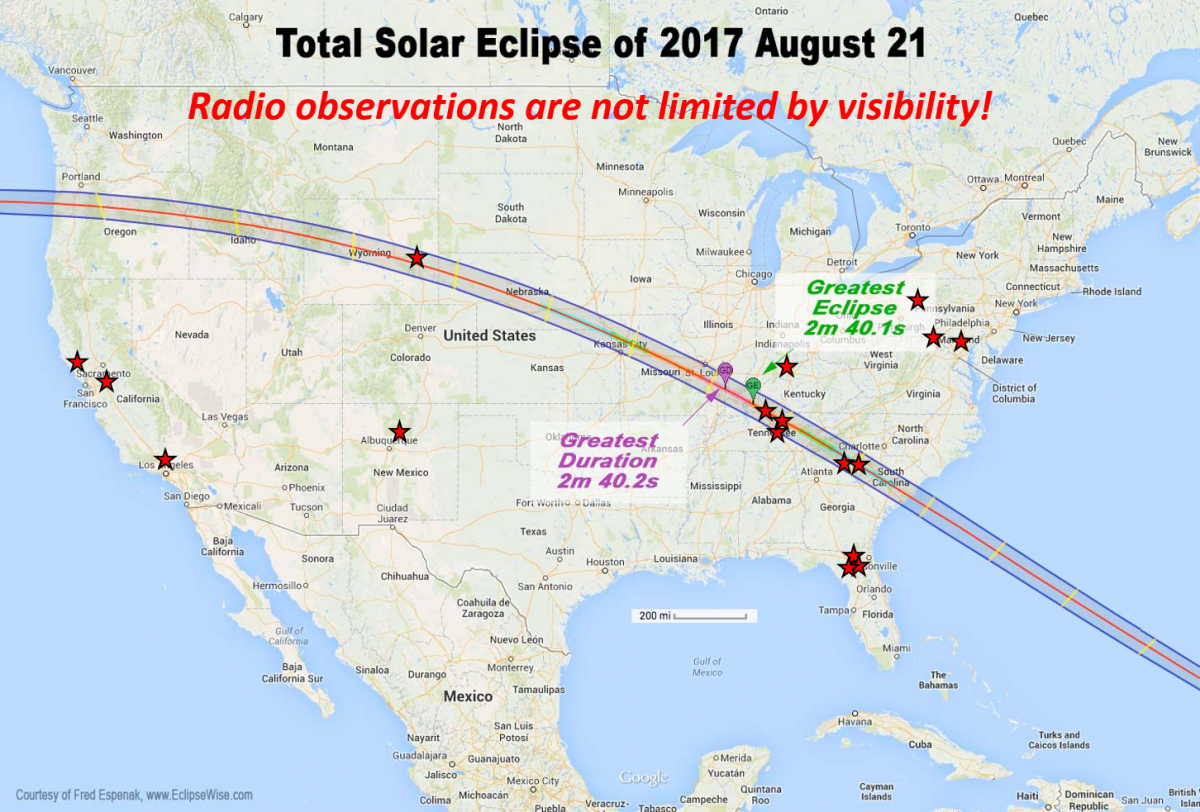
Figure 2. Markers indicate planned observation sites for Radio Jove as of February 2017. Radio observations are scientifically useful both inside and outside the path of totality. [Adapted from https://eclipse.gsfc.nasa.gov/SEgoogle/SEgoogle2001/SE2017Aug21Tgoogle.html]
The passage of the moon directly in front of the Sun from the Earth viewpoint means that the Moon will occult or cut off the Sun’s corona and photosphere over about 4 hours. If a solar radio burst were to occur during the time of the eclipse it is possible that the moon will gradually cover over the coronal source region and provide clues to the exact location of the radio source and how it evolves. Observers at different locations on the Earth would see the occultation happening at different times or perhaps not at all depending on their viewpoint. In addition, the umbral and penumbral shadows will temporarily decrease the ionization levels of the terrestrial ionosphere above, thus causing less absorption of the galactic radio background (GRB) over the eclipsed areas during daylight hours. Thus, the total solar eclipse will offer a unique opportunity to study the response of the terrestrial ionosphere, and perhaps determine the ionospheric (F-peak) electron densities. We will analyze the GRB data collected before, during, and after the eclipse at different portions of the eclipse path and compare it to the baseline data obtained in advance. Prior to the eclipse, observations during the night will enable observers to determine the average GRB under the same celestial configuration as during the eclipse but with no ionospheric absorption by the D layer. The baseline will enable us to infer the changing ionospheric conditions during the eclipse over the different observing locations.
In summary we plan to use the radio data to: (1) determine whether a solar radio source was occulted or not, and if so, determine the active source location, (2) measure the amount of ionospheric absorption at various locations within the partial and total phases of the eclipse, and (3) characterize the changes in the terrestrial ionization under different local time conditions. We will archive the data and make it available to the public and scientific community.
For simplicity in hardware setup (portability, cost, reliability, etc.), we will use the basic Radio Jove hardware setup for solar eclipse observations (Figure 3). You can find detailed instructions about the Radio Jove equipment, equipment manuals, and example observations on our website (http://radiojove.gsfc.nasa.gov). Additionally, there are specific Radio Jove solar eclipse observing instructions listed on the website.
The basic equipment required*:
* Ham radio operators may also be able to observe the Sun using existing receivers and/or transceivers and antennas, but only if they can defeat the automatic gain control circuit. If you have specific questions about using ham radio equipment for solar observing, you are welcome to contact the Radio Jove group.
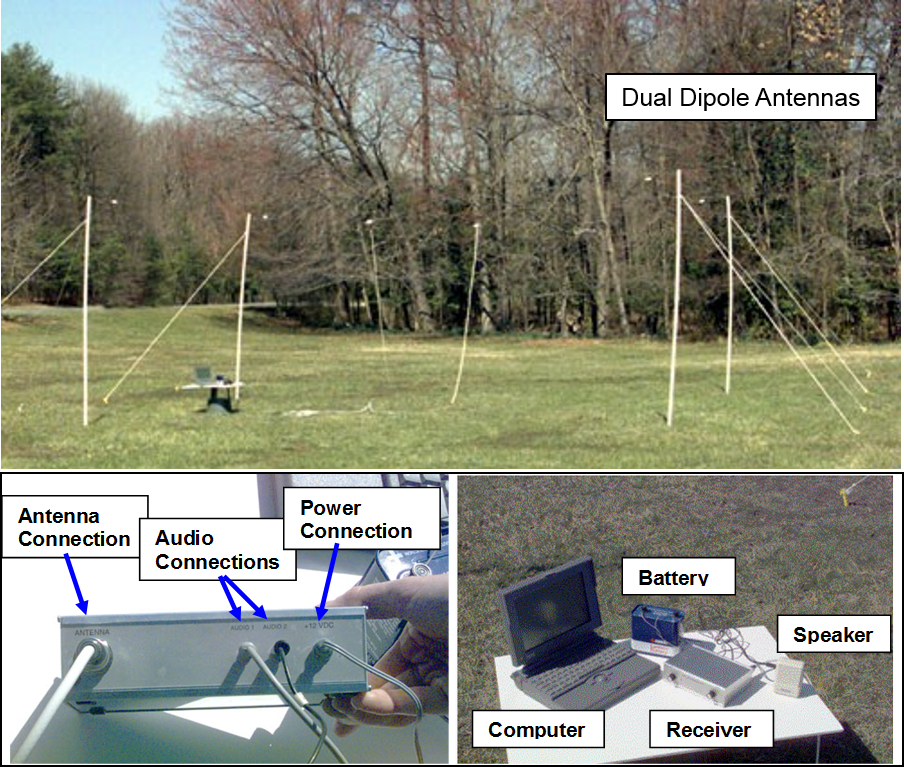
Figure 3. (Top) This is an example of a Radio Jove antenna setup with two dipoles. For solar observations, only one dipole is necessary. (Bottom) The receiver connections and the basic equipment needed for a remote setup. [Credit: The Radio Jove Project]
In general, Radio Jove will always welcome new participants, and we hope that the 2017 solar eclipse will motivate more people to join us. Anyone with a passion for learning can participate in Radio Jove, especially those with some technical skills. Participation can primarily come in 3-4 different ways: (1) buy and build your own Radio Jove receiver and antenna to collect your own Jupiter or solar radio data; (2) use available software, called Radio-Skypipe, to monitor, record, and analyze radio data remotely from another Radio Jove user; (3) download data from the Radio Jove Archive (http://radiojove.org/archive.html); and (4) modify or purchase your own radio equipment to make observations and contribute to the community. Option 2 is particularly useful for schools or people that may not have the space or funding to set up their own telescope. We periodically schedule telecons to help answer questions and foster interactions and data collections during times of predicted Jupiter or solar activity. If you would like more information about our Radio Jove email list, please visit http://radiojove.gsfc.nasa.gov/office/appform.htm.
Version 0.75
19 August 2017
21 Aug 2017 1400 – 2200 UTC (Partial eclipse begins at about 1600 UTC in Oregon ends at about 2015 UTC in South Carolina)
To generate observations of propagation by the Reverse Beacon Network (RBN – http://www.reversebeacon.net/), PSKReporter (https://pskreporter.info/), WSPRNet (http://www.wsprnet.org), and event logs before, during, and after the eclipse on the amateur bands for the purpose of ionospheric sounding.
160, 80, 40, 20, 15, 10, and 6 meter bands
The 60, 30, 17, and 12 meter bands will not be used for scoring purposes because contest QSOs are not allowed there. You may earn bonus points by monitoring non-contest QSOs on these bands with automated receive nodes such as RBN receivers.
We anticipate plenty of activity. On CW and Phone, tune for stations calling "CQ SEQP" toward the middle and lower portions of the various license class allocations. Activity on RTTY, PSK, and JT modes will be close to the usual activity centers but - please - spread out! With many stations active, assist the receiving decoder stations to make accurate and quick measurements by leaving a little space between signals. You can find band planning information at
The SEQP accepts CW, digital (all varieties), and phone QSOs.
Call Sign, Signal Report, 6-Character Grid Square
Example CW Exchange: If NØAX responds to a CQ by W1AW, NØAX receives “NØAX 579 FN31PR W1AW” and sends “W1AW 589 EM48SS NØAX”.
Many digital mode packages such as the open-source fldigi program and Ham Radio Deluxe/Digital Master 780 have options for automatically sending spots to PSKReporter. Please enable this option to send additional data to PSKReporter.
Because of the primarily one-way nature of WSPR QSOs, they should not be logged as two-way QSOs in the SEQP. WSPR reception reports will be logged on WSPRNet (wsprnet.org) and so WSPR operation during the entire SEQP period is encouraged on the usual WSPR frequencies on any band. In addition, bonuses are offered for operation of WSPR receive nodes as described in the bonus section below. You can further contribute WSPR data to the Eclipse project by recording the full data and sending it to us for post-processing. Please see https://www.scivision.co/wspr-save-raw-wav-data/ for details on saving WSPR data. We ask that upload all data related to the SEQP to the HamSCI community on zenodo.org. Once your data has been posted to Zenodo, you will be provided with a DOI (Digital Object Identifier) that you can include in your SEQP score submission to associate your data with your submitted SEQP log.
Score = (Multipliers x QSO Points) + Bonus Points
Duplicate contacts on the same band and mode as a previous QSO with a station are allowed after 10 minutes have elapsed since the previous QSO with that station. The same station may be worked on all SEQP bands and modes.
The final score, including bonuses, will be calculated by the HamSCI data processing team. Claimed Scores are not required to be accurate.
Frequency, Mode, Date, Time (UTC, not local), Sent Call, Sent Signal Report, Sent Grid, Received Call, Received Signal Report, Received Grid
Example QSOs (or click here for full example log):
QSO: 7030 CW 2017-07-20 2241 K2MFF 579 FN20VR N3AO 599 EM97SG QSO: 1816 PH 2017-07-20 2243 K2MFF 59 FN20VR KC2LRC 59 FN13WA QSO: 3590 RY 2017-07-20 2249 K2MFF 599 FN20VR W1AW 599 FN31PR QSO: 14070 PK 2017-07-20 2305 K2MFF 30 FN20VR AD0AE 24 CM97WL
| Mode | Cabrillo Code |
|---|---|
| LSB/USB/AM | PH |
| CW | CW |
| RTTY | RY |
| PSK31 | PK |
| JT65 | JT |
| JT9 | JT |
| FT8 | FT |
Example soapbox:
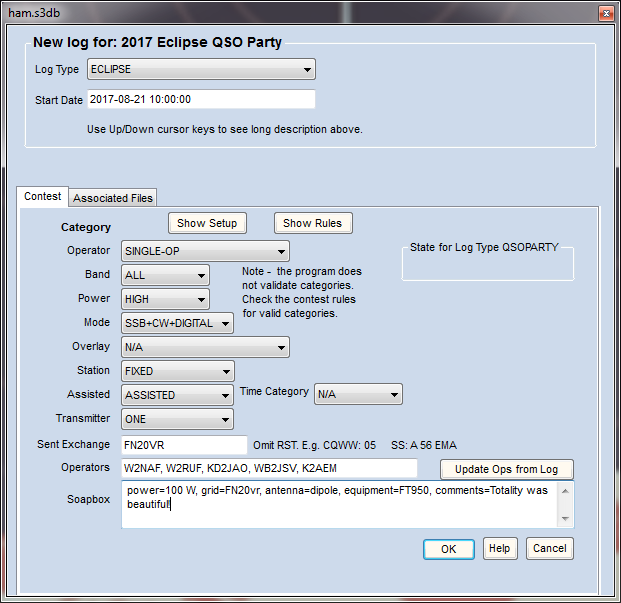
SOAPBOX: power=100 W, grid=FN20Vt, antenna=dipole, equipment=IC7410, SOAPBOX: comments=Totality was beautiful!

Figure: "New Log in Database" dialog box from the N1MM+ contest logging program. Select log type "ECLIPSE", choose "SINGLE-OP" or "MULTI-OP", put your six-character grid square in the Sent Exchange box, and include station data in the soapbox.
SEQP Log submission instructions will be available at http://hamsci.org/seqp. Participants who submit through the web interface will immediately receive a downloadable PDF Certificate of Participation.
All bonuses will be calculated after the SEQP and included with the final scores.
By Bill Liles, NQ6Z
Editor’s Note: The HamSCI-related eclipse efforts comprise of a number of sub-projects. This article describes the EclipseMob project, which is an experiment led by a team at George Mason University and the University of Massachusetts at Boston. EclipseMob will study eclipse-driven ionospheric effects using the Very Low Frequency (VLF) and Low Frequency (LF) bands. Results of this experiment could aid in understanding propagation at the proposed 2,200 meter ham band.
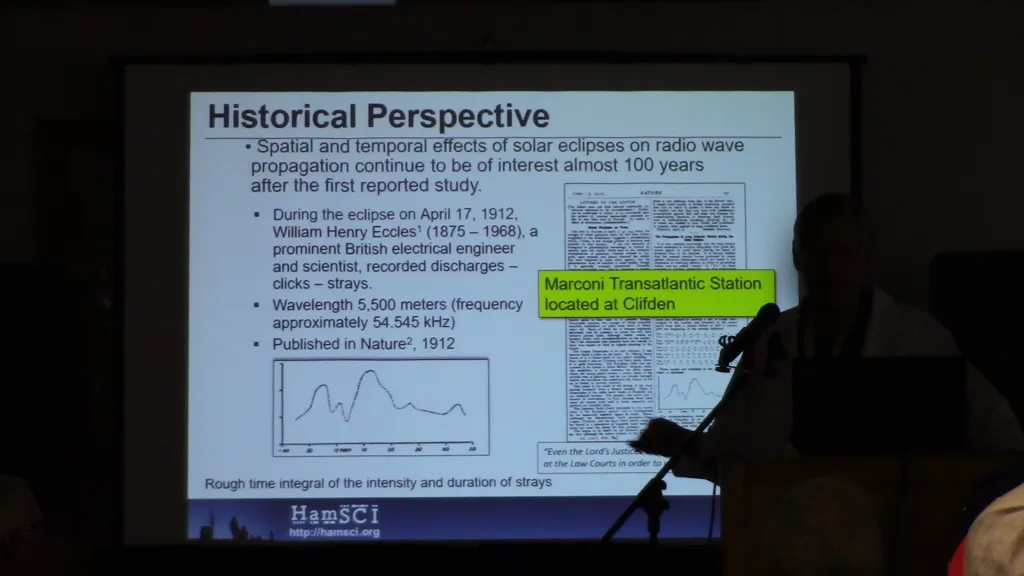
Since 1912 there have been many efforts to collect and analyze data during a solar eclipse to help understand the ionosphere. These efforts have been conducted in frequencies ranging from VLF to VHF. In most cases, individuals or small teams have collected data from disparate transmitters.
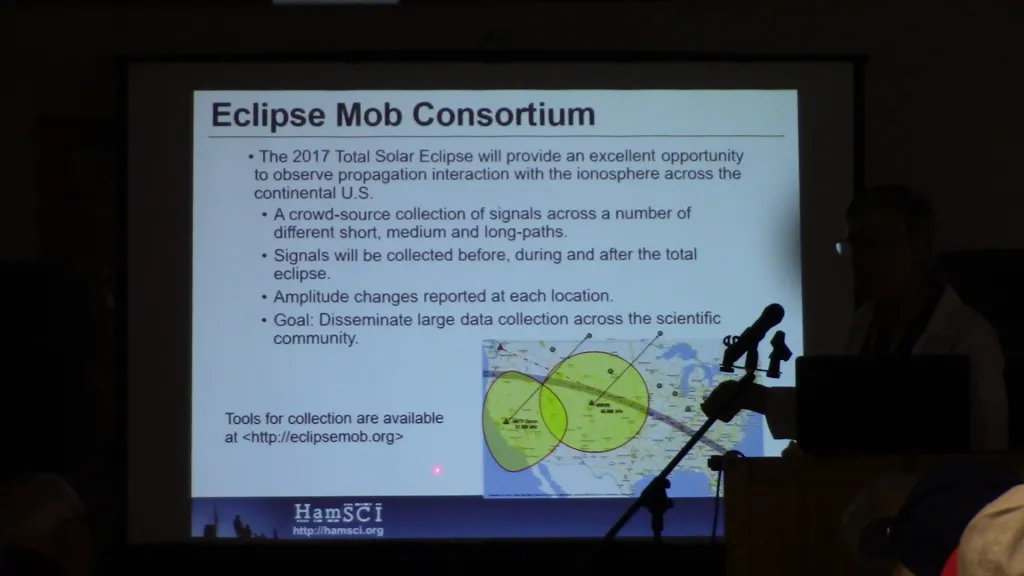
EclipseMob is an effort to crowdsource collection of data from a single transmitter at hundreds of spatially diverse receivers, resulting in the largest-ever measurement campaign of ionospheric effects on radio wave propagation during a solar eclipse. This allows us to compare the collections using both geolocation and time.
The main focus of EclipseMob is collecting amplitude variation data from WWVB, which operates at 60 kHz. A secondary focus is on the U.S. Navy’s VLF and LF transmitters.
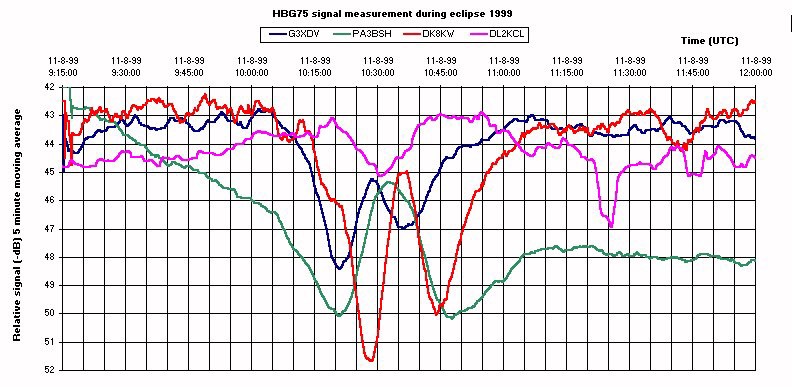
In studying past collections at VLF and LF frequencies, several interesting behaviors were observed. For example, some reports showed an increase in signal strength, some reported a decrease in signal strength, and some reported a “W”-like pattern with first a decrease, then an increase, then a decrease, then back to the same amplitude as before the eclipse. It is worth noting that all of these experiments were conducted at different receive locations for different transmitters during different eclipses. We hope that, that with enough spatially diverse collection sites relative to a single fixed transmitter, we can answer the question of why results have varied so significantly in prior experiments.
A plot of the variation in signal strength at 75 kHz (HBG time clock) observed from a variety of locations across Europe. [M. Sanders, 1999]
Another result that shows up in the literature is the shape of the waveform before, during, and after the eclipse. Most reports show a slow rise in amplitude followed by a much quicker decrease. This could be explained by the time constants associated with recombination in the D layer followed by re-ionization of the D layer. However, not all reports show that shape. We also hope to address the reason for this discrepancy based upon the spatially diverse collection.
There are multiple ways to collect the time amplitude data required for these studies. One can simply use a VLF/LF receiver in which amplitude can be digitized or is already digitized. One can purchase a SuperSid receiver from http://radio-astronomy.org/node/210 ($48).
Or one can build the receiver shown on the EclipseMob website (EclipseMob.org). This is a simple receiver, composed of only one chip and a few other components. The output is fed into the microphone jack of an Andoid smartphone that runs an app to digitize the signals and add location and time information.
Since this effort is a passive collection, folks can collect this data while still taking part in other solar eclipse activities such as the Eclipse QSO Party. Additionally, an amateur radio license is not required for collecting EclipseMob data.
The EclipseMob project is a joint effort of many people. The leadership team includes:
With support from


The results are in! Congratulations to the top single operators, multi-operators, and RBN recievers. The SEQP was scored by W2NAF and K2AEM, with final write-up by N0AX. Thank you to all who participated!
Full results PDF: Solar Eclipse QSO Party - Full Results - Version 1.1.pdf
| Single Op | Total Score | Multi-Op | Total Score | |
|---|---|---|---|---|
| 1 | AA3B Bud Trench Boyertown, PA |
403,975 | W0ECC Elayer Contest Club St. Charles, MO (N0AX, N5OT, & KD0YJN) |
191,625 |
| 2 | K4BAI John Laney, III Columbus, GA |
224,502 | W0D DeSoto, MO (WB0SND & WB0TUA) |
112,553 |
| 3 | W1SJ Mitchell Stern Essex Junction, VT |
180,882 | W5GAD Jefferson Amateur Radio Club Metairie, LA (N5LIT, KG5GJT, N5HZ, & NO5W) |
93,651 |
| RBN Call | # Spots | Operator | QTH |
|---|---|---|---|
| WE9V | 54,874 | Chad Kurszewski | Bristol, WI |
| AA4VV | 40,574 | Thomas Berry |
Lexington, NC |
| KU7T | 31,762 | Andreas Hofmann | North Bend, WA |
| N4ZR-3 | 28,692 | Pete Smith | Phoenix, MD |
| NC7J | 28,564 | Utah Contest Club | Layton, UT |
| W3OA | 28,057 | Dick Williams | Mooresville, NC |
| N2GZ | 18,623 | Greg Zenger | North Stonington, CT |
| N0TA | 14,751 | John Reilly | Louisville, CO |